
- Population
- 17+ million; from fishing village (1980) to tech megacity in 40 years
- Tech HQ
- Tencent, Huawei, DJI, BYD, Ping An — most based in Shenzhen
- Innovation district
- Nanshan / Shenzhen Bay Tech Park; Huaqiangbei electronics market (世界电子第一街)
- Transport
- 16 metro lines; cross-border to Hong Kong (Futian, Shenzhen Bay, Luohu)
- Best for foreigners
- Shekou, OCT Loft, Coastal City — international community + amenities
As of May 2026, last reviewed by an LTC editor.
“China’s Silicon Valley” is a label applied to multiple cities — but Shenzhen is the most defensible holder of the title. The 22-million-person megacity directly across the border from Hong Kong was farmland in 1980; by 2026 it generates ~3.7% of China’s GDP, hosts Huawei, Tencent, DJI, BYD, ZTE, and a 100,000+ hardware-startup ecosystem unlike anywhere else in the world. For foreign visitors interested in technology, manufacturing, design, or startup culture, Shenzhen is one of mainland China’s most-rewarding destinations. This guide covers what to see, what to know about Shenzhen’s identity, and the practical foreign-visitor logistics.
Why Shenzhen earned the “Silicon Valley” label
Three factors converged:
- Special Economic Zone designation (1980): Shenzhen was China’s first SEZ — direct experimental ground for market-economy reforms. Foreign investment, tax holidays, and import-export liberalization began here.
- Hardware manufacturing ecosystem: by 2010, Shenzhen had the world’s most complete electronics supply chain — anything that could be made could be made in Shenzhen within 48 hours. This attracted hardware startups globally.
- Talent + capital concentration: Tencent (founded 1998), Huawei (Shenzhen-headquartered), and venture-capital influx made Shenzhen second only to Beijing for Chinese tech investment.
Other contenders for the title: Beijing’s Zhongguancun (the original tech-cluster, more academic-and-software-focused) and Hangzhou (Alibaba HQ, more enterprise-software-focused). Shenzhen owns hardware + manufacturing; the others have different strengths.
The 8 things to do in Shenzhen
1. Huaqiangbei electronics market
The world’s largest concentration of consumer-electronics retail. 15+ buildings across 30,000+ stalls selling components, finished products, and counterfeits. This is where DJI-clone drones, knock-off iPhones, custom PCBs, and rare electronic components are all available. Half day minimum; full day if you’re a hardware-startup founder sourcing components. Take Metro Line 1 or 7 to Huaqiang Road station.
2. OCT Loft creative district
Repurposed factory complex turned design + creative cluster. 200+ shops, cafes, galleries, design studios. Less factory-grit than Beijing’s 798; more polished. Located in Nanshan district. Half day visit.
3. Shenzhen Bay Park + Talent Park
Modern urban-design showcase along the western coast. Walking and cycling paths, sculptures by international artists. Pair with the adjacent Shenzhen Bay Sports Center and Mangrove Park (Hong Kong views).
4. Window of the World theme park
130-acre miniature park with replicas of global landmarks — Eiffel Tower, Pyramids, Niagara Falls. The flagship 1990s-era domestic-tourism attraction. Family-friendly. ¥220 entry; full day.
5. Splendid China + Folk Culture Village
Cultural theme park with miniature replicas of Chinese national treasures (Forbidden City, Great Wall, etc.) + performances showcasing China’s 56 ethnic groups. Adjacent to Window of the World. ¥220 entry combined ticket.
6. Dafen Oil Painting Village
Famous “oil painting copy” village — for decades, Dafen artists produced hand-painted replicas of European masters for global wholesale. The industry transformed: now half the village makes copies, half makes original contemporary art. ¥0 entry; half day; located in Longgang district.
7. Lianhuashan Park + Deng Xiaoping statue
Central park with the famous Deng Xiaoping statue commemorating his role in launching SEZ reforms. Walking and pavilions. Good city skyline viewpoint from the hilltop. Free; 1-2 hours.
8. Coastal walks: Xichong + Dameisha beaches
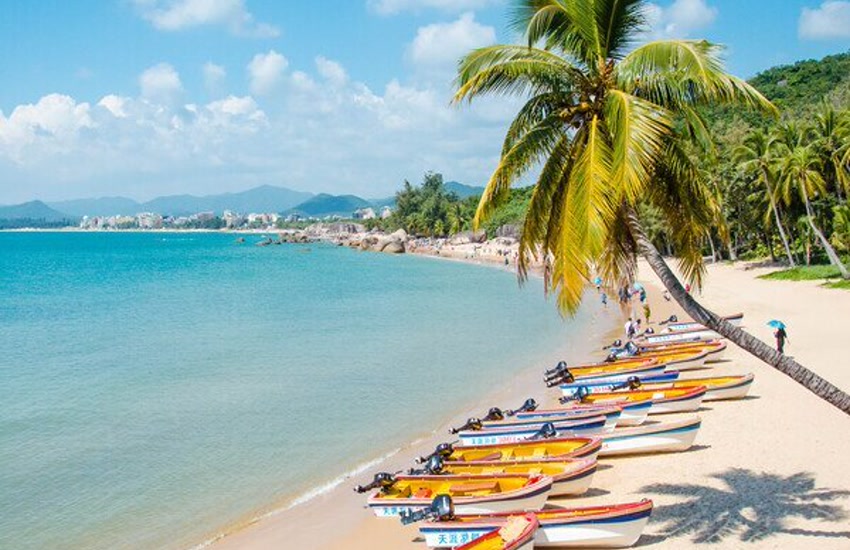
East of Shenzhen city center, Dapeng Peninsula has the best urban beach access in mainland China outside Hainan. Dameisha is the popular tourist beach; Xichong is the better-quality remote beach. Day trip from central Shenzhen (1.5 hours by car/bus).
Shenzhen’s tech-industry attractions
- Tencent headquarters + Seafront Park: Tencent HQ (Tencent Binhai Tower) is visible from the Shenzhen Bay area. Tours of Tencent are not generally available, but the surrounding park is a tech-fan pilgrimage.
- Huawei headquarters area: Huawei’s Bantian campus and Ox Horn campus are visible from external roads. Tours not available; tech enthusiasts visit to see the scale.
- BYD electric vehicle factories: some BYD factories offer limited corporate-tour access for international buyers; not generally open to tourism.
- SEG Plaza + Computer Markets: SEG Plaza in Huaqiangbei is the iconic computer-and-component shopping building.
- Maker spaces and hardware accelerators: HAX (formerly Highway1) and Trouble Maker are accelerators that occasionally allow visits.
Cuisine + dining
Shenzhen has every Chinese regional cuisine due to its migrant-population diversity. Notable scenes:
- Cantonese — Bingsheng, Cha Cha Bar (modern Cantonese), Tao Heung dim sum
- Sichuan — Tan Family Hotpot, Hai Di Lao
- Hong Kong-style cha chaan teng — diner-style with milk tea + pineapple buns; concentrated in Futian district
- Foreign cuisine — Shekou (the old expat district) has the best international dining: pizza, sushi, Indian, Thai
- Seafood — Yumin restaurant + Shekou seafood markets
- Coffee + design cafes — Nanshan district has Shenzhen’s strongest specialty-coffee scene
Best season for Shenzhen
- October-December: ideal — warm 18-25°C, dry, comfortable.
- January-March: cool 10-18°C, occasional drizzle.
- Avoid: April-September (humid 30°C+, typhoons July-September).
- Crowd: weekdays much quieter than weekends (massive day-tripper crowds from Hong Kong + nearby cities).
Practical logistics for foreigners
- Getting there: fly into Shenzhen (SZX) airport, or cross from Hong Kong (15-min HSR Hong Kong West Kowloon to Shenzhen Futian or Nanshan). 144-hour visa-free transit applies for many countries.
- Metro: 11+ lines, English signage, ¥2-9 per trip. The most efficient way to move around the city.
- Cross-border to HK: Lo Wu, Lok Ma Chau (Futian), Huanggang, and Shenzhen Bay border crossings. Open ~06:30-24:00. Express HSR (Hong Kong-Shenzhen) takes 15 min between West Kowloon and Futian.
- Accommodation: Futian or Luohu for proximity to HK + business; Nanshan for tech/coastal; Shekou for expat-friendly + foreign cuisine.
- Payments: Alipay International + WeChat Pay universal. Foreign cards work at international hotels.
- Language: more English than other Chinese mainland cities (driven by HK proximity + international trade). Hotels + major restaurants comfortable in English.
- VPN: mainland firewall applies. Install before crossing the border.
Things to know about Shenzhen specifically
- Demographics: average age ~33, one of China’s youngest cities. Migration city — most residents from elsewhere in China.
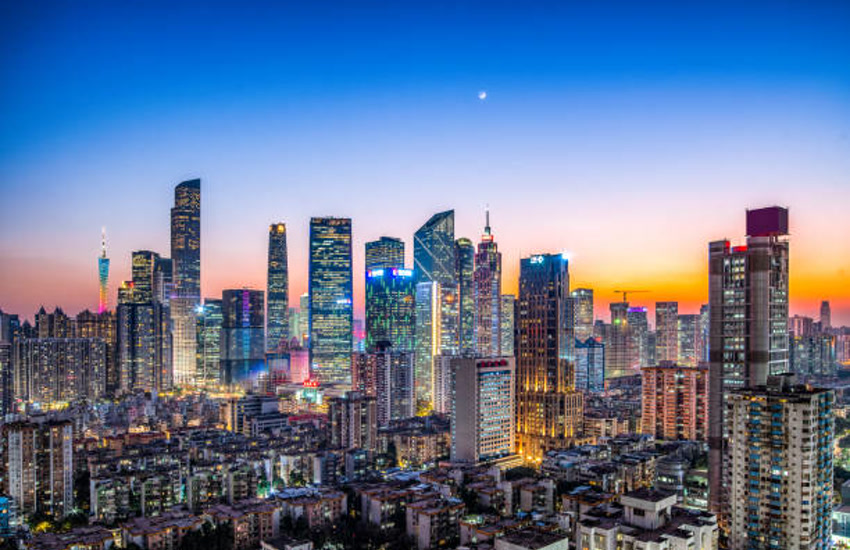
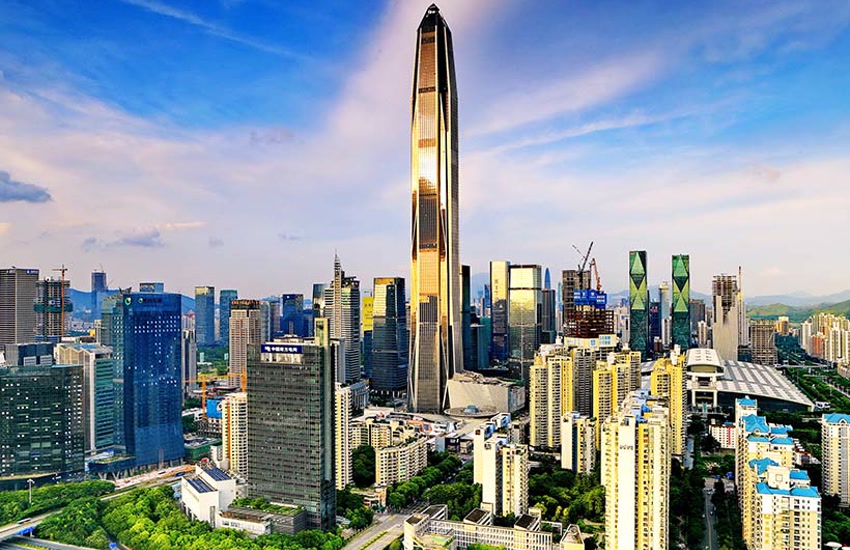
- Skyline: 4 of the world’s top-15 tallest buildings. Ping An Finance Centre (599 m) is the city’s tallest.
- Innovation culture: deeply work-focused; 996 culture (9am-9pm 6 days/week) origins in part from Shenzhen tech scene.
- Cost of living: higher than other mainland Chinese cities; closer to Hong Kong levels for housing.
- Air quality: better than Beijing on average. Worst in winter due to PRD industrial activity.