
- Population
- 26+ million metro; mainland China's largest city
- Signature districts
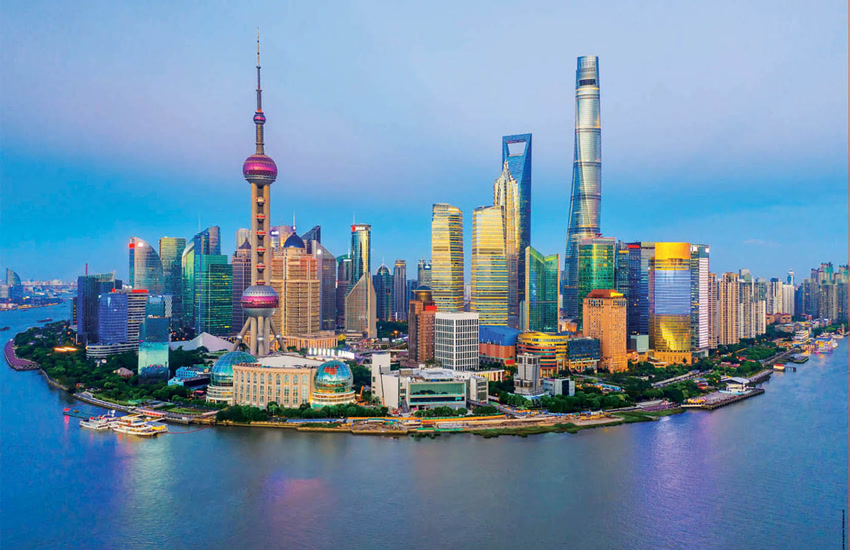
- The Bund (外滩) waterfront, French Concession (法租界), Pudong skyline, Yuyuan Garden
- Best season
- March-May, September-November; avoid July-August humidity + typhoon season
- Iconic skyline
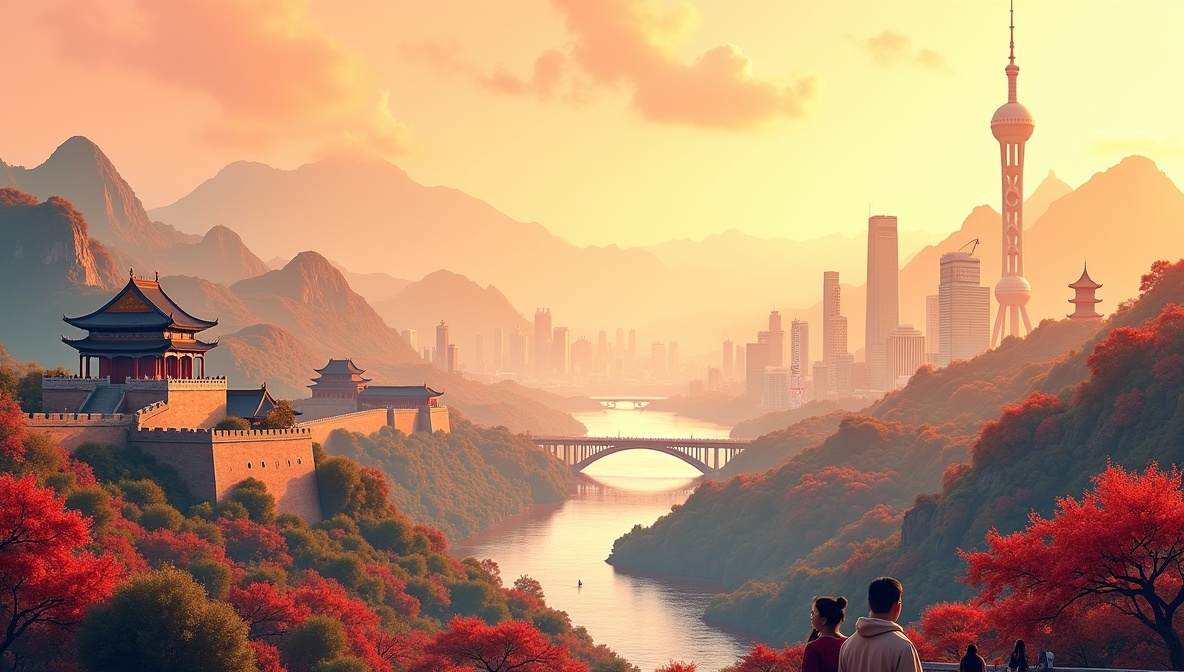
- Oriental Pearl Tower, Jin Mao, Shanghai World Financial Center, Shanghai Tower (632m)
- Transport
- Metro Line 2 from Pudong Airport; maglev ¥50 to Longyang Road in 8 min
As of May 2026, last reviewed by an LTC editor.
Shanghai is mainland China’s most accessible city for foreign visitors — a 28-million-person metropolis where 1930s art-deco architecture, glass-skyscraper financial districts, and 600-year-old water-town alleys coexist in a 30-minute taxi ride. The visitor experience is unlike anywhere else in China: more international, more design-led, more cosmopolitan, but no less authentic for its modernity. This guide covers Shanghai’s headline attractions, the lesser-known neighborhoods, and the practical logistics for a first foreign visit.
What makes Shanghai unique
Three distinct historical layers shape modern Shanghai:
- Imperial China — pre-1840, when Shanghai was a small fishing port. The water towns (Zhujiajiao, Qibao) and Yu Garden preserve this era.
- Concession era 1842-1949 — international settlements brought European architecture, jazz culture, and trade fortunes. Visible in the French Concession, the Bund, and Sinan Mansions.
- Reform era 1990-present — Pudong skyline (Oriental Pearl, Shanghai Tower, Jinmao, World Financial Center) built in 30 years on what was farmland in 1990.
The compression of three Shanghais into one city is what surprises most first-time foreign visitors — and what rewards return trips.
The essential first-time sights
The Bund (Waitan)
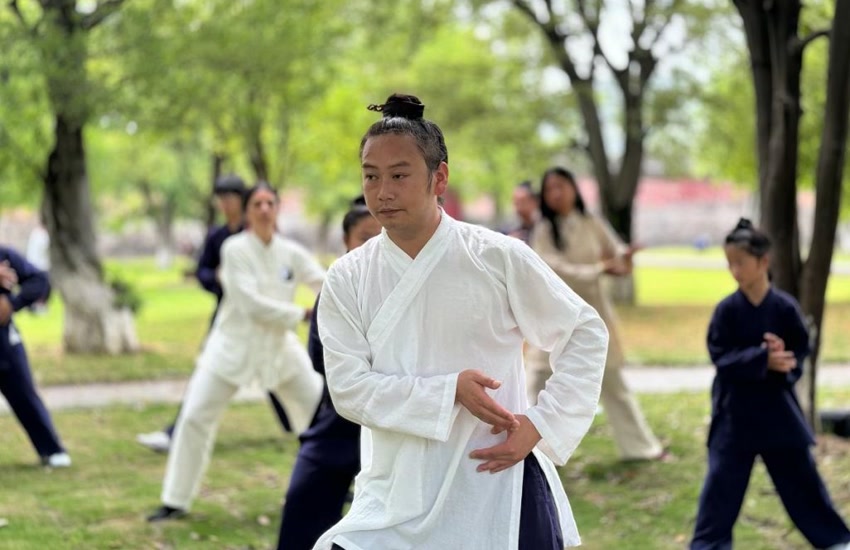
The 1.5 km riverfront promenade lined with 52 art-deco and neoclassical buildings from the 1920s-1930s — what visitors imagine when they imagine Shanghai. Walk the Bund at three times for three different experiences: 06:00 for morning tai chi and quiet photography, 17:00-19:00 for sunset over Pudong, after 20:00 for the illuminated skyline that’s now Shanghai’s signature image. Free; open 24/7.
Pudong skyline — Lujiazui
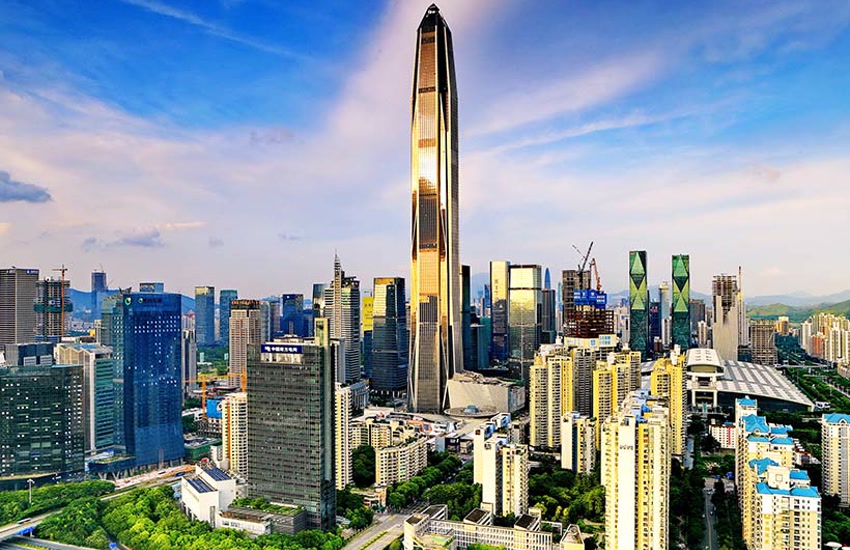
The Bund looks at it, Lujiazui IS it. The three-tower triangle of Shanghai Tower (632 m, the world’s second-tallest building), Shanghai World Financial Center (492 m, the “bottle opener”), and Jinmao Tower (420 m). All three have observation decks; Shanghai Tower’s 118F deck is the highest commercial observation point in the world. ¥180-220 per deck. Oriental Pearl Tower nearby is the older, more famous TV-tower silhouette.
French Concession
The early-1900s French neighborhood preserved as Shanghai’s most charming district. Plane-tree-lined streets, art-deco mansions, boutique cafes, independent shops. Wukang Road, Anfu Road, Fumin Road, Yongkang Road are the core. Walking-only is the best way to explore; allow 4-6 hours. Sinan Mansions is the heritage-luxury anchor (8 villas converted to high-end dining and a boutique hotel).
Yu Garden + Old Town
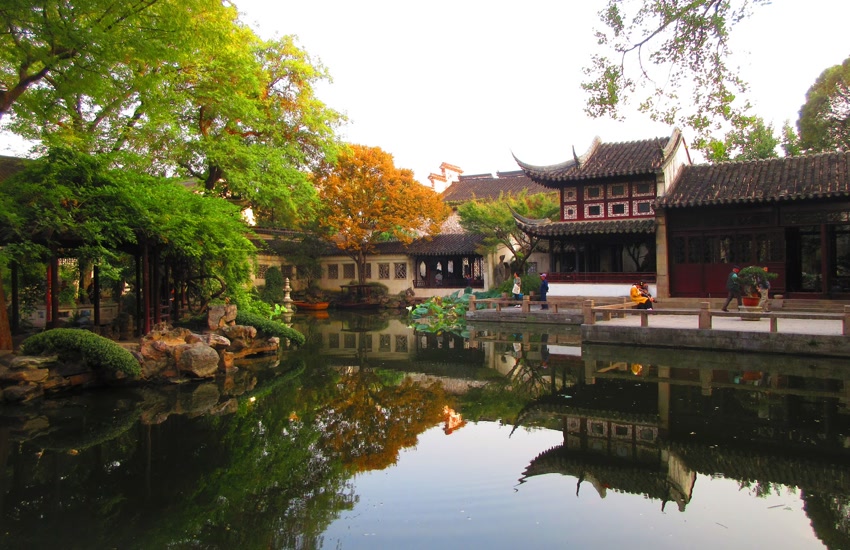
Classical Ming-dynasty garden (1559) in the old walled city. Adjacent Yuyuan Bazaar is touristy but iconic — temple architecture, lanterns, nanxiang xiaolongbao (the famous soup-dumpling shop), and the Huxinting Teahouse on the lake. Crowded; visit early morning (07:30) or evening (18:00) for the best experience. ¥40 garden entry.
Tianzifang + Xintiandi
Two repurposed shikumen-architecture districts. Xintiandi is the polished, restaurant-driven version with international brands and the Site of the First National Congress of the CPC museum. Tianzifang is the rougher, art-and-craft alley version with hundreds of small shops in restored lilong courtyards. Visit both for the contrast.
Nanjing Road shopping street
The 5.5 km pedestrian-and-tram shopping street running from People’s Square to the Bund. Iconic, crowded, mostly mid-tier shopping. The eastern Bund-end is the more atmospheric segment; the western end is bigger mall-style retail. Free; pedestrianized between Henan Road and the Bund.
Beyond the standard route
Shanghai Museum (People’s Square)
One of China’s best museums for ancient Chinese art — bronze ware, ceramics, calligraphy, ancient seals. Free admission; arrive before 14:00 to avoid afternoon crowds and grab a daily limited-admission timed ticket online in advance. New Shanghai East museum opened 2024 in Pudong as a complement.
M50 Art District
The smaller Shanghai counterpart to Beijing’s 798 — repurposed factories with 100+ galleries focusing on Chinese contemporary art. Half-day visit; located on Moganshan Road in Putuo district.
Water towns near Shanghai
Zhujiajiao (40 min west) and Qibao (within Shanghai’s outer ring) are the two most accessible water towns — Ming-Qing canal architecture, stone bridges, water-side restaurants. Zhujiajiao is the bigger, more touristy option; Qibao is closer and quieter. Day trip from Shanghai.
Disneyland Shanghai
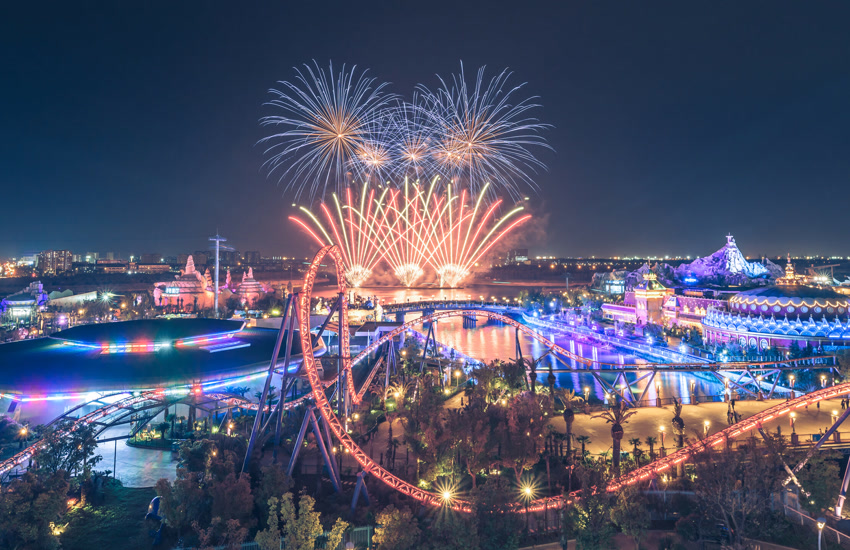
The 2016-opened park in Pudong. World’s first Tron Lightcycle coaster + unique Pirates of the Caribbean ride. Family-friendly full day; tickets from ¥475.
Power Station of Art
The repurposed thermal power station converted to a contemporary art museum on the Huangpu River. China’s first state-run contemporary art museum. Free entry; visit pairing with Bund Pier on the southern Bund.
Food — Shanghai’s specific cuisine
Shanghai cuisine (Hu cai 沪菜 or Benbang cai 本帮菜) is sweeter and richer than other Chinese regional cuisines, with significant use of soy sauce, sugar, and rice wine. Must-try:
- Xiaolongbao — Shanghai’s iconic soup dumplings. Best at Jia Jia Tang Bao (locals’ favorite) or Nanxiang Bun (Yuyuan tourist version).
- Sheng jian bao — pan-fried buns with broth filling. Yang’s Fried Dumplings (Xiao Yang Shengjian) is the city’s most famous chain.
- Red-braised pork (hong shao rou) — Shanghai’s signature meat dish, sweet-and-savory.
- Drunken chicken (zui ji) — chicken marinated in rice wine, served cold.
- Hairy crab (da zha xie) — September-November seasonal delicacy from Yangcheng Lake.
- Salted soy milk + youtiao — Shanghai-style breakfast at any morning shop.
Best season for Shanghai
- October-November: peak — clear skies, comfortable 15-22°C temperatures, hairy crab season.
- April-May: spring, mild, but May has high humidity heading into rainy season.
- Avoid: July-August (sweltering 35°C+ + humidity), February (cold + wet + Spring Festival closures), Golden Week early October (peak crowds).
Practical foreign-visitor logistics
- Getting there: Pudong (PVG) international airport handles most foreign arrivals; Hongqiao (SHA) handles domestic. Pudong → city: Maglev train (8 min, ¥50) or subway Line 2 (60 min, ¥8).
- Subway: 20+ lines, English signage, ¥3-9 per trip. The most efficient way to move around the city.
- Visa-free: many Western countries qualify for Shanghai’s 144-hour transit visa-free policy if continuing to a third country. Verify nationality eligibility before booking.
- Accommodation neighborhoods: Bund (iconic + walking distance to Nanjing Road), French Concession (boutique + cafe culture), Pudong (modern + business), Xintiandi (mid-range + design hotels).
- Mobile payments: Alipay International + WeChat Pay are universally accepted. Some international hotels accept foreign credit cards.
- Language: more English signage than other Chinese cities. Hotel staff and metro signage in English. Restaurants vary — pictures + translator app cover gaps.
- Air quality: better than Beijing on average, but check AQI in winter especially.
Practical tips
- Bund crowd-avoidance: arrive at 06:30 for morning photography solo; the 18:00-20:00 window has the worst crowds.
- Disneyland Shanghai express pass: worth the extra ¥120-300 during peak season; not necessary during off-peak.
- Yuyuan Bazaar: skip the tourist-restaurant lineup; eat at Jia Jia Tang Bao 2 blocks away instead.
- Bicycle rental: Hellobike + Meituan Bike work with Alipay; Shanghai is bike-share-friendly especially around French Concession.
- Tea-house scam warning: like Beijing, polite strangers near the Bund offering “tea ceremony” experiences = overpriced bill scam. Just say no.