
- UNESCO sites in/near Beijing
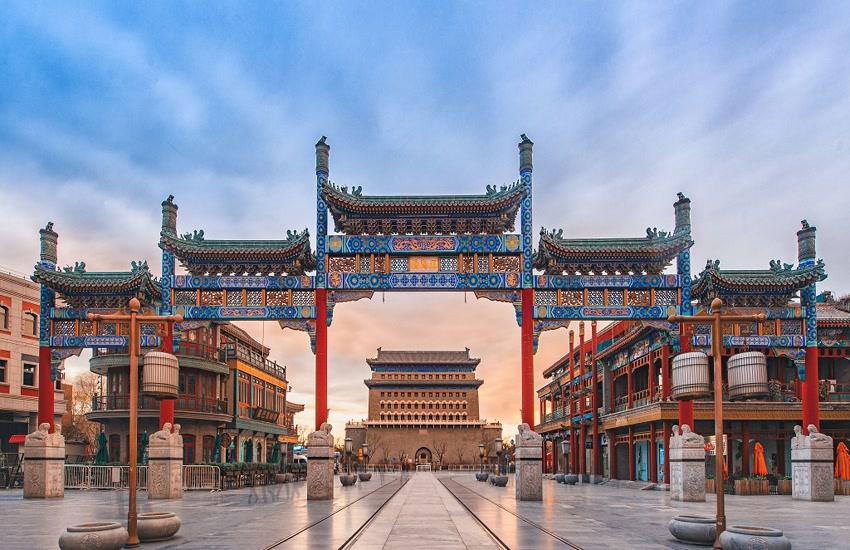
- Imperial Palace, Temple of Heaven, Summer Palace, Great Wall, Ming Tombs
- Beyond the headliners
- 798 Art District, Hutongs (Nanluoguxiang, Wudaoying), Lama Temple, Beihai Park
- Best season
- April-May, September-October — clear skies, mild temperatures
- Transit pass
- Yikatong card or T-Union pay-by-QR via WeChat/Alipay
- Avoid in
- National Day (Oct 1-7), Spring Festival, peak smog days (winter, north wind)
As of May 2026, last reviewed by an LTC editor.
The Forbidden City, Great Wall, and Tiananmen Square dominate every foreigner’s Beijing itinerary — and rightly so. But Beijing rewards visitors who go beyond the headline sights. The city has 3,000+ years of history layered into its hutongs, temples, parks, art districts, and modern landmarks. This guide covers what to add to a Beijing trip after the obligatory big-three checkpoints have been hit — the destinations that turn a 3-day stop into a richer 5-7 day experience.
Why “beyond the Forbidden City” matters
Most foreign visitors spend 70% of their Beijing time at the Forbidden City + Great Wall + Tiananmen + Summer Palace. These four sites are essential — but they share a common pattern: monumental imperial scale, vast crowds, and tightly controlled visitor flow. Beijing’s character is harder to absorb from those alone. The hutongs, contemporary art scene, food culture, and modern landmarks reveal a city that’s lived in, not just preserved.
The next 8 things to do
1. Hutong walking tours — Nanluoguxiang + Dongsi area
Beijing’s hutongs are the traditional grey-brick alleyways with courtyard houses (siheyuan) that once defined the city’s residential life. Most have been demolished; what remains is concentrated around Houhai Lake, Nanluoguxiang, and Wudaoying. Best on a bicycle rental or rickshaw tour. Nanluoguxiang itself is now heavily commercialized (souvenir shops and cafes); the smaller hutongs off the main strip preserve the original quiet residential character. Allow 3-4 hours.
2. 798 Art District (798 艺术区)
A 1950s East German-designed military electronics factory complex repurposed into China’s largest contemporary art zone. 200+ galleries, studios, cafes, and design shops. The Bauhaus architecture combined with massive Mao-era industrial spaces creates one of the most visually distinct art destinations in Asia. Free entry to most galleries. Best on a Saturday afternoon when artists are present. Located in Chaoyang district, 30 min from central Beijing by subway or taxi.
3. Temple of Heaven (Tiantan)
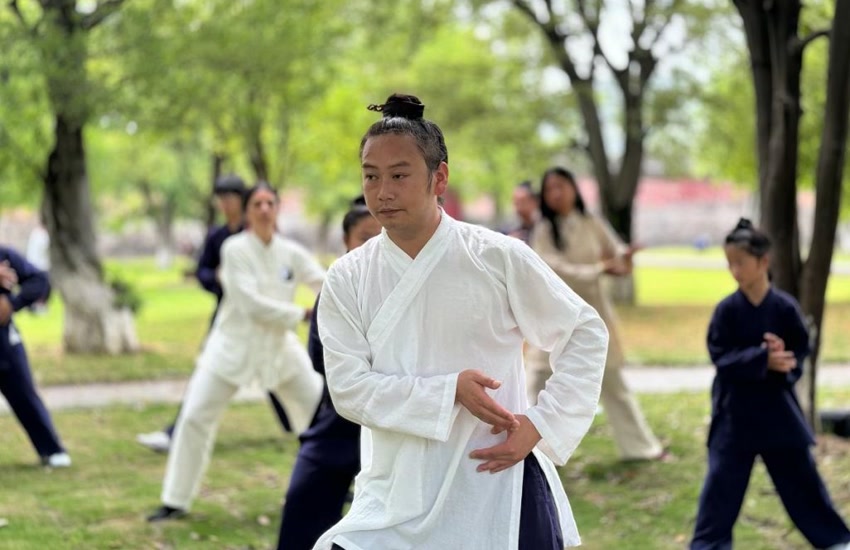
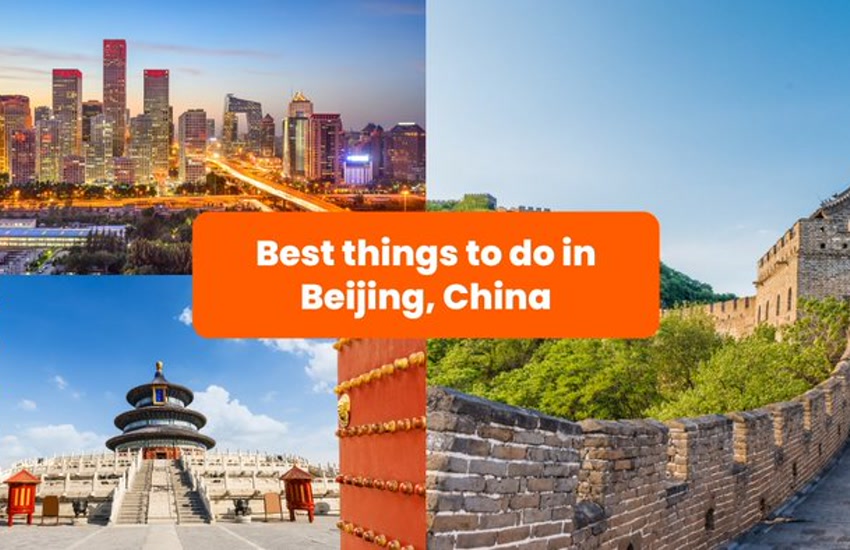
Often missed by short-stay visitors, this 270-hectare imperial temple complex was where Ming and Qing emperors performed the annual harvest rituals. The Hall of Prayer for Good Harvests is the iconic blue-roofed circular building seen in every Beijing tourist photo. The surrounding park is where locals practice tai chi, calligraphy with water on the ground, and traditional dance. Best visited 06:00-09:00 to catch the morning exercise scene. ¥35 entry to the complex.
4. Lama Temple (Yonghegong)
The largest Tibetan Buddhist temple outside Tibet itself. Built in 1694 as an imperial Qing palace, converted to a lamasery in 1744. The 18-meter Maitreya Buddha carved from a single sandalwood tree is a Guinness record holder. Active monastery — incense burns constantly, monks chant in the morning. ¥25 entry. Pair with the Confucius Temple next door.
5. Houhai Lake area
A trio of lakes (Qianhai, Houhai, Xihai) ringed by traditional courtyard buildings, bars, restaurants, and cafés. Day-time visit: walk the perimeter, rent a paddleboat, visit the Drum and Bell Towers. Night-time visit: bar-hop along the southern shore where live music plays. Pair with the adjacent Yandai Xiejie hutong for a complete afternoon-to-evening.
6. Summer Palace at sunset
Yes, this is one of the big-five. But the standard mid-day visit misses the magic. Arriving at 16:00, walking the Long Corridor, riding a boat across Kunming Lake, and catching the sunset from the Marble Boat is one of Beijing’s most peaceful experiences. The crowds thin sharply after 16:30. Last admission usually 17:00.
7. Beijing food walking tour — Donghuamen Night Market alternative
The original Donghuamen Night Market closed in 2016. Newer foodie-focused alternatives: Guijie (鬼街 — Ghost Street) for late-night spicy crawfish and roast lamb, Wangfujing’s snack street (touristy but iconic), Niujie for Hui Muslim street food. Best done with a local food guide; companies like Lost Plate and UnTour Food Tours run 3-hour walking tours in English for ~¥600-900.
8. CBD modern Beijing — CCTV Headquarters + Galaxy Soho
The CCTV Headquarters by Rem Koolhaas (the “trousers building” — twisted loop tower) sits in the Central Business District. The adjacent Galaxy Soho by Zaha Hadid is another iconic modern architectural landmark. Walk between them in 30 min; visit National Stadium (Bird’s Nest) and Water Cube as a half-day modern-Beijing tour. Useful counterpoint to the imperial sights.
A suggested extended itinerary
Building on a standard Beijing visit:
- Day 1: Tiananmen + Forbidden City (full day)
- Day 2: Great Wall (Mutianyu or Jinshanling, full day)
- Day 3: Summer Palace afternoon + Houhai evening
- Day 4: 798 Art District morning + Temple of Heaven afternoon + Wangfujing food street evening
- Day 5: Hutong tour + Lama Temple + Confucius Temple
- Day 6: Day trip — Ming Tombs + Sacred Way
- Day 7: Modern Beijing — CBD walking + National Stadium + Olympic Park + departure
Best season + crowd timing
- September-October: the famous “autumn tigers” weeks — clear blue skies, comfortable temperatures, peak photogenic conditions.
- April-May: spring, mild, occasional sandstorms but generally pleasant.
- Avoid: late January Spring Festival (crowds + closures), early October Golden Week (massive crowds), July-August (heat + thunderstorms + summer school holiday).
- Weekday vs weekend: 30-40% fewer visitors at major sites on Tuesday-Thursday vs weekend.
Logistics for foreigners
- Transport: Beijing subway is the most efficient — 27 lines covering all major sites, English signage, ¥3-9 per trip. DiDi (Chinese Uber) is fast and cheap (¥20-80 within central Beijing). Avoid taxis from the airport without metered fares; pre-book a Trip.com transfer instead.
- Passport access: required for entry to the Forbidden City, National Museum, Tiananmen Square area. Bring it everywhere.
- Mobile payments: Alipay International / WeChat Pay are universal. Foreign credit cards work at most international hotels and some restaurants but not at street vendors or smaller venues.
- Language: English signage at major sites and on the subway. Pleco + Google Translate offline for restaurants and street interactions.
- Accommodation neighborhoods: Wangfujing (close to Forbidden City), Sanlitun (international restaurants + bars), Houhai (hutong character), CBD (modern business). Pick based on trip style.
- Air quality: check AQI on apps like IQAir before outdoor activities. Have an N95 mask available. October-November tends to be cleaner; winter heating season worsens it.
Practical tips that aren’t on most Beijing guides
- Forbidden City book-ahead: tickets must be reserved online (English booking via Trip.com) at least 1 day before — there’s no walk-up ticket booth anymore.
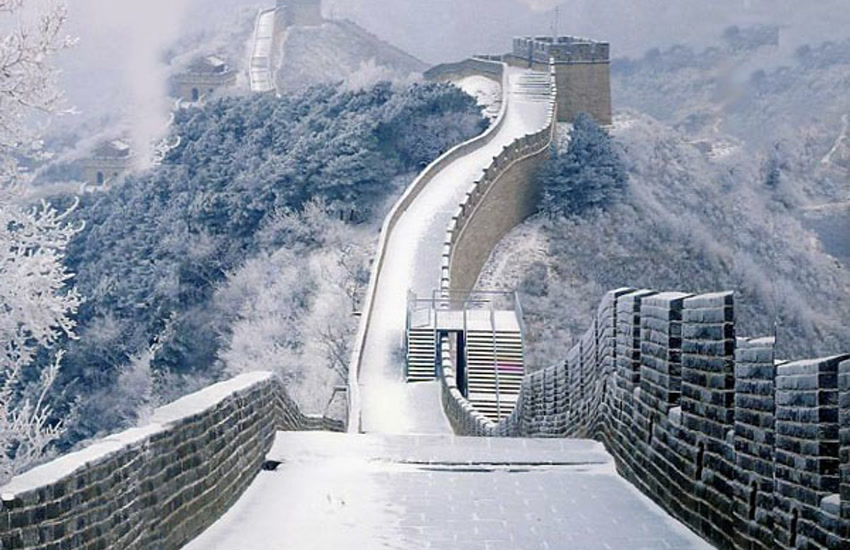
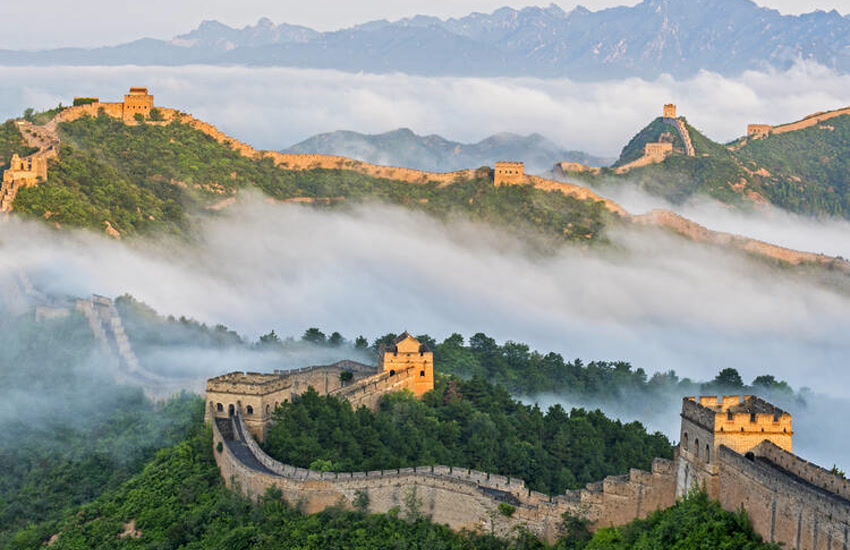
- Great Wall section choice: Badaling is closest + most crowded; Mutianyu has cable car + less crowded; Jinshanling is preserved/less restored and best for hiking; Simatai allows night visits with permit.
- “Tea house” scams near Wangfujing: politely refuse strangers inviting you to a “traditional tea ceremony”. Massively overpriced bills are the well-documented pattern.
- Beijing accent + Mandarin: even Mandarin speakers struggle with the local 儿 (er) suffix and slang. Translation apps with voice input are your friend.
- Tipping: not customary in restaurants or taxis. Hotel porters may accept ¥10-20 for bag service.