
- Cuisine name
- Cantonese cuisine 粤菜 — one of 8 Great Cuisines of China
- Iconic dishes
- Dim sum, char siu (BBQ pork), roast goose, congee, wonton noodles, steamed fish
- Best cities
- Guangzhou (HQ), Hong Kong, Macau, Foshan, Shunde
- Signature flavour philosophy
- 'Qingxian' (清鲜) — light, fresh, minimal seasoning to highlight natural flavours
- Typical meal cost
- ¥80-¥250 per person (Cantonese mid-tier); HK$200-HK$600 (Hong Kong)
As of May 2026, last reviewed by an LTC editor.
Cantonese cuisine — known in Mandarin as 粤菜 (yuècài) — is one of China’s Eight Great Cuisines and arguably the most internationally recognised. Born in Guangdong province and refined further in Hong Kong and Macau, it built the takeaway-Chinese template most Westerners grew up with: char siu pork, sweet-and-sour chicken, fried rice, wonton noodles, and the dim sum brunch tradition. The dishes are familiar; the actual Cantonese restaurants in Guangzhou are a different experience, leaner and more focused on freshness. This guide covers what Cantonese cuisine actually is, the must-try dishes, the regional sub-styles, and where to find the best examples for foreign visitors.
What makes Cantonese cuisine distinct
The defining principle is qīngxiān (清鲜) — “light freshness”. Where Sichuan cooking layers heat, salt, and ma-numbness, and Shanghainese cooking sweetens with sugar and dark vinegar, Cantonese cooking aims to highlight the natural flavour of ingredients with minimal seasoning. Steaming and short stir-frying dominate; braising and deep-frying are used selectively. Sauces tend to be lighter — oyster sauce, soy, ginger, and scallions are the workhorses.
This philosophy means Cantonese restaurants prize ingredient quality above all. Restaurants display live seafood in tanks at the entrance; markets near Cantonese restaurants stock unusually fresh fish, vegetables, and tofu. Foreigners visiting Guangzhou or Hong Kong notice the difference immediately compared to international “Cantonese” takeout — the same dishes taste cleaner and more vegetable-forward at source.
Iconic dishes — must-try list
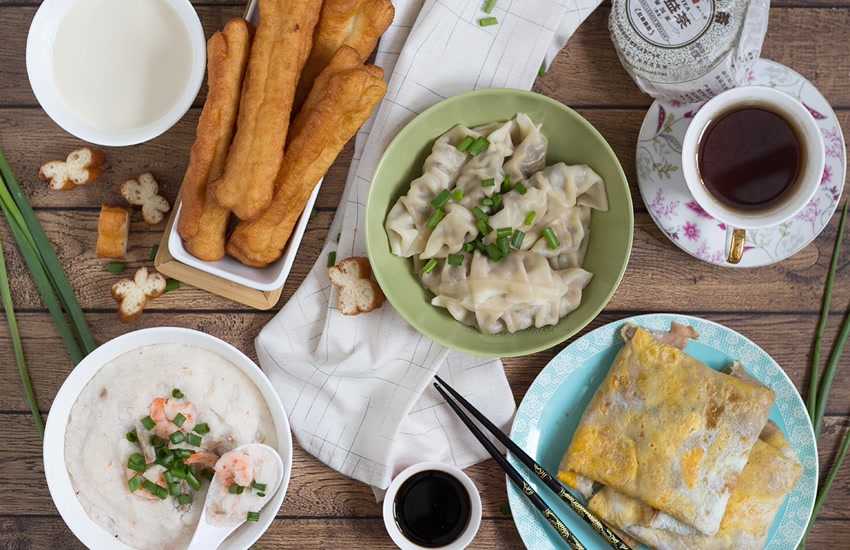
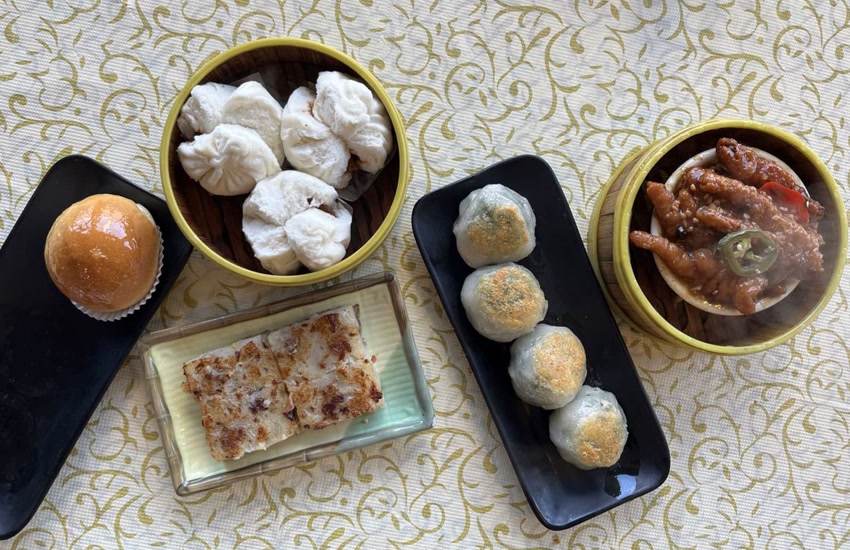
- Dim sum (点心) — bite-sized dishes served with tea (yum cha). Cantonese tea-house brunch is the canonical experience; over 200 distinct dishes exist.
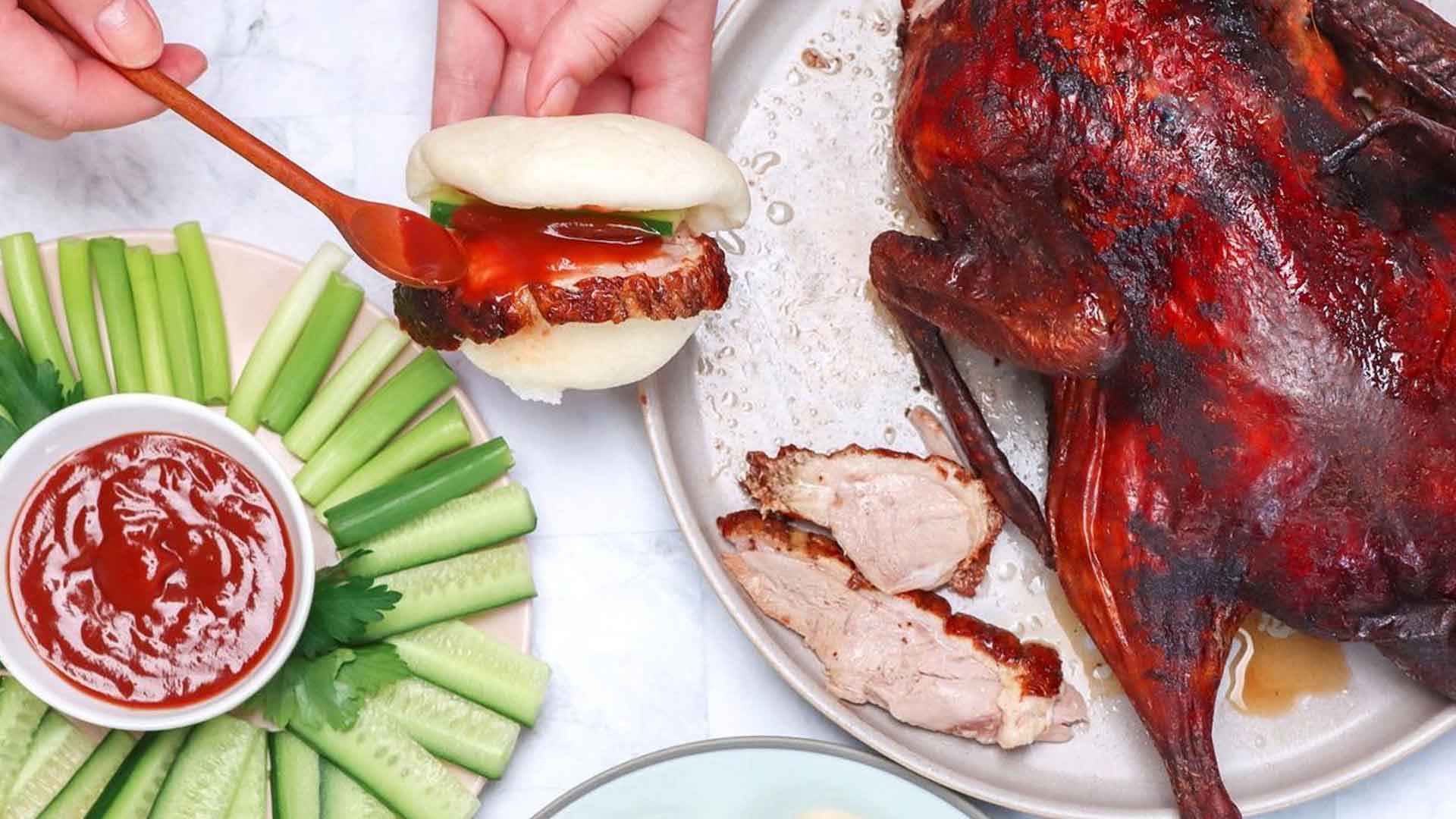
- Char siu (叉烧) — barbecued pork glazed with honey, soy, and Chinese five-spice. The lacquered red exterior is the signature.
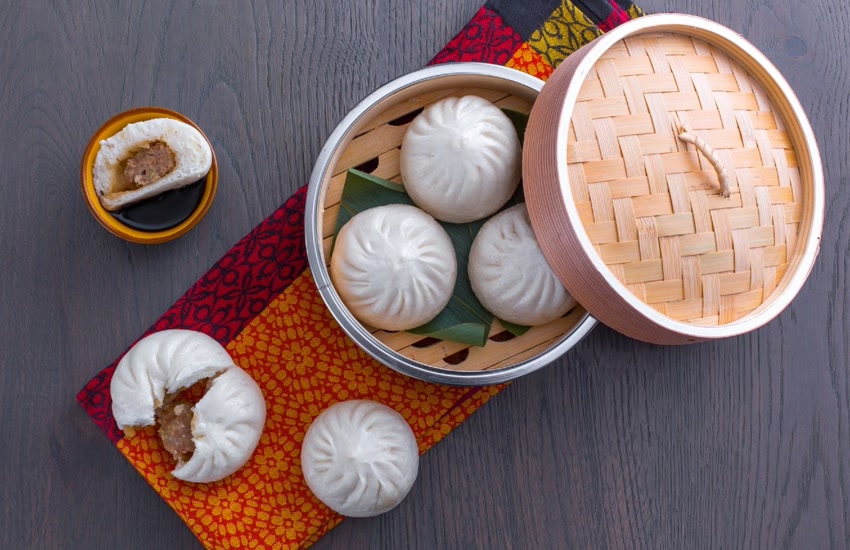
- Cha siu bao (叉烧包) — steamed BBQ-pork buns; the dim sum staple.
- Har gow (虾饺) — translucent shrimp dumplings with a pleated wrapper. The “test dish” for a dim sum kitchen — wrapper too thick or shrimp not bouncy and the kitchen is judged.
- Siu mai (烧卖) — open-topped pork-and-shrimp dumplings with a yellow wrapper.
- Roast goose (烧鹅) — Cantonese specialty; crispy mahogany-coloured skin, juicy flesh. Top destinations: Yat Lok in Hong Kong, Yung Kee historically.
- Wonton noodles (云吞面) — thin egg noodles in clear broth with shrimp-and-pork wontons; a Cantonese midday or late-night staple.
- Congee (粥) — savoury rice porridge, often with century egg, pork, fish, or peanut. Cantonese breakfast standard.
- Steamed fish (清蒸鱼) — whole fish steamed with ginger and scallion; the test dish of qīngxiān philosophy.
- Cheung fun (肠粉) — silky rice-noodle rolls filled with shrimp, char siu, or beef; soy sauce on top.
Dim sum — how the foreign visitor navigates it
Dim sum brunch (yum cha) is the cultural set-piece foreigners come for. The mechanics:
- Timing: late morning to early afternoon, typically 10:00-14:00. Some traditional houses start at 06:30. Dinner is rare.
- Service style: older venues use rolling carts — servers wheel through with steaming bamboo baskets, you point at what you want. Modern venues use checklists — mark dishes on a paper card.
- Pacing: dishes arrive a few at a time. Cantonese custom is to share — order more than you think you need, sample everything.
- Tea: pick a tea first (jasmine, oolong, pu-erh are standard options). Tap two fingers on the table to wordlessly thank whoever pours.
- Bill: dim sum stacks small dishes; servers count empties at the end. ¥80-¥200/person for mid-tier in Guangzhou; HK$200-HK$600 in Hong Kong.
Best cities for Cantonese cuisine
Guangzhou — the birthplace
Guangzhou is where Cantonese cuisine was codified. The city has the deepest range and the highest density of long-running restaurants. Recommended: Tao Heung (chain, reliable), Lin Heung Tea House (traditional rolling-cart dim sum, 100+ year history), Bingsheng (modern Cantonese), Guangzhou Restaurant (Cantonese institution since 1939).
Hong Kong — the innovation hub
Hong Kong refined Cantonese cuisine through 20th-century international exposure. Modern interpretations and Michelin-starred examples concentrate here. Tim Ho Wan (the world’s cheapest Michelin-starred restaurant — original branch in Sham Shui Po), Yat Lok (roast goose), Mak’s Noodle (wonton), Lung King Heen (3-star modern Cantonese).
Macau — Portuguese-Cantonese fusion
Macau’s Cantonese has a Portuguese accent — egg tarts, African chicken, and a willingness to mix Mediterranean elements. Lord Stow’s Bakery (the original Portuguese-style egg tart), Fernando’s (Portuguese-Macanese fusion).
Cantonese sub-regions worth knowing
- Chaoshan / Teochew cuisine (潮州菜) — coastal Guangdong; cold marinated dishes, deep seafood expertise, unique to the Shantou region. Different enough from mainstream Cantonese that some classifications treat it as a separate cuisine entirely.
- Hakka cuisine (客家菜) — inland Guangdong + Fujian-Guangdong border; saltier, heartier, more meat-and-stew oriented. Salt-baked chicken (盐焗鸡) is the iconic dish.
- Shunde (顺德) — a city near Guangzhou recognised by UNESCO as a Creative City of Gastronomy. Specialises in freshwater-fish dishes and steamed milk desserts. Worth the day-trip from Guangzhou for serious food visitors.
Ordering tips for foreign visitors
- Ask for the menu in English: in Guangzhou tourist-zone restaurants this is common; in Hong Kong universal. In smaller venues, point at other tables’ dishes or use Google Translate camera mode on the Chinese menu.
- Pace yourself with dim sum: ordering one of everything at the start over-orders. Start with 4-5 dishes, see what arrives, then order more.
- Tea selection matters: traditional Cantonese houses charge a small tea fee (¥10-¥30) — pu-erh and oolong pair best with rich dim sum, jasmine with lighter dishes.
- Vegetarian Cantonese: harder to find than Sichuan or Buddhist-temple cuisine. Ask for “wo chī sù” (我吃素 — I eat vegetarian); restaurants will steer you toward egg dishes, tofu preparations, and vegetable plates.
- Allergies: shellfish and peanut allergies are particularly worth flagging — Cantonese cooking uses both broadly. Print a card in Chinese: “我对XX过敏 (Wǒ duì XX guòmǐn — I am allergic to XX)”.
Sources
- Source: Cantonese cuisine — Wikipedia
- Source: Dim sum — Wikipedia
- Source: Cantonese cuisine — Discover Hong Kong