
- Featured parks
- Sichuan Giant Panda Sanctuaries (UNESCO), Chengdu Research Base, Shanghai Wildlife Park, Hailaer grasslands
- Sichuan pandas
- Chengdu Research Base ¥55, best 08:30-10:00 feeding time
- Best season
- Spring (Mar-May) and autumn (Sep-Nov) — animals active, mild temperatures
- Endangered species highlights
- Giant panda, snow leopard (Qinghai), Yunnan snub-nosed monkey, red-crowned crane (Zhalong)
- Tour booking
- Pre-book group tours for protected reserves (Sichuan, Qinghai, Yunnan)
As of May 2026, last reviewed by an LTC editor.
“Safari” in China doesn’t mean African big-five. It means a different proposition: China’s wildlife — pandas, snow leopards, golden monkeys, Tibetan antelope, manul cats, wild yaks, and the unique Yunnan elephants — exists in some of Asia’s most spectacular landscapes. Combined with the country’s expanding national-park system and a few drive-through “safari park” attractions, foreign visitors who want China-via-wildlife have more options than they expect. This guide separates the genuine wildlife experiences from the theme-park animal attractions, and covers the best destinations for each.
The two categories
“Safari” in Chinese tourism context covers two distinct experiences:
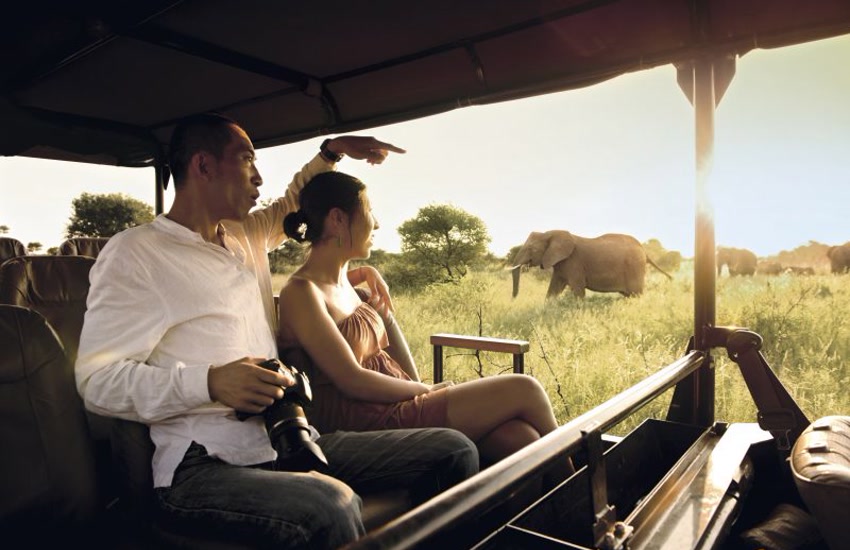
- Drive-through safari parks: zoo-like enclosed venues where visitors drive (or ride safari trucks) through expansive animal-habitat enclosures. Best examples: Chimelong Safari Park (Guangzhou) and Beijing Wildlife Park. Family-friendly, accessible, English-supported.
- Genuine wildlife observation: national parks and reserves where visitors hike, camp, or take guided tours to see wild animals in their natural habitat. Requires more planning, fitness, and time.
Foreign visitors should know which they want before choosing destinations — the experiences are very different.
Drive-through safari parks
1. Chimelong Safari Park (Guangzhou)
One of the world’s largest drive-through safari parks. 480 hectares with 20,000+ animals — white tigers (breeding program), Asian elephants, koalas, pandas, lions, rhinos, hippos. Visitors take open-air safari trucks or drive their own car along marked routes. The white-tiger section alone has 100+ animals. Adjacent: Chimelong Paradise (theme park) and Chimelong Water Park. ¥299 entry; full day to do justice to the safari section. English signage and tour buses available.
2. Beijing Wildlife Park (Daxing)
~150 km south of central Beijing. 5,000+ animals across 200 hectares. Drive-through and walking sections. White lions, Bengal tigers, Asian elephants, North Pacific marine mammals. Best for visitors based in Beijing looking for a 1-day wildlife trip. ¥160 entry.
3. Shanghai Wild Animal Park (Pudong)
~35 km from central Shanghai. Drive-through and walking exhibits. Pandas, koalas, white tigers, polar bears. The penguin section is a highlight. ¥130 entry. Day trip from Shanghai.
4. Wuhan Maidao Lake Wildlife World
Less-touristed alternative — 600 hectares with 6,000+ animals. Better wildlife-to-visitor ratio than the Beijing/Shanghai parks.
Genuine wildlife destinations
1. Sichuan — pandas in their habitat
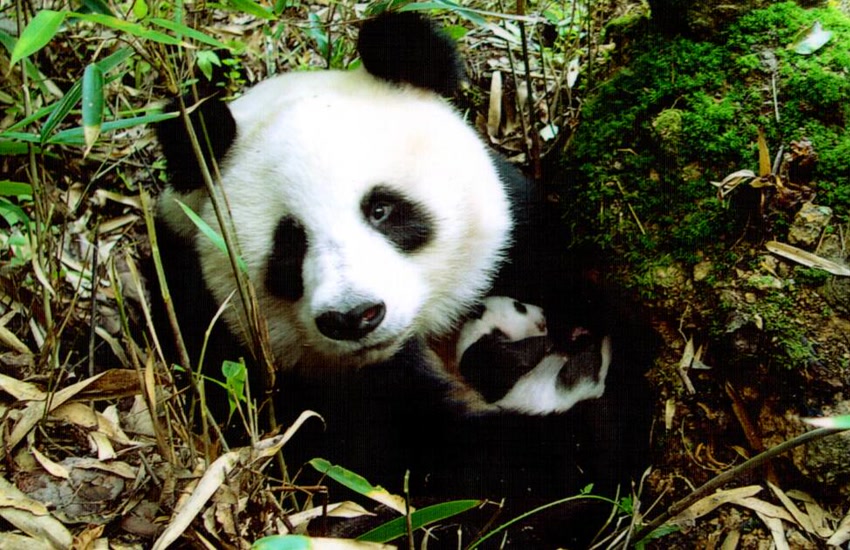
The Wolong National Nature Reserve (~3 hours from Chengdu) and the Wanglang National Nature Reserve are home to wild giant panda populations. Visitors cannot just walk in to “see pandas in the wild” — wild panda observation is extremely rare even for researchers. But guided multi-day treks through panda habitat (with sleeping in research stations) give visitors a chance to see panda signs (footprints, bamboo eating evidence) and other wildlife.
For visitors wanting guaranteed panda viewing: Chengdu Research Base of Giant Panda Breeding combines conservation work with daily visitor hours; 1.5 hours from city center; ¥55 entry.
2. Tibet + Qinghai — wild yak, antelope, snow leopard country
The Tibetan Plateau hosts some of Asia’s most spectacular wildlife — Tibetan antelope, wild yak, blue sheep, Tibetan wolves, and snow leopards (rare). Sanjiangyuan National Park in Qinghai is China’s first national park (2020) and the source of the Yangtze, Yellow, and Mekong rivers. Multi-day overland expeditions with conservation NGOs (Shan Shui Conservation, Snow Leopard Trust) offer the most-real wildlife observation. Permits + special routes apply.
3. Yunnan — Asian elephants + golden monkeys
Yunnan’s Xishuangbanna region is the only place in China with wild Asian elephants. Wild Elephant Valley (Yexianggu) is a designated reserve with elephant-observation towers. The chance to see elephants varies — early morning and late afternoon are best.
The Yunnan snub-nosed monkey (golden-snub-nosed monkey) is endemic to high-altitude forests in northwestern Yunnan. Baima Snow Mountain has the most accessible viewing.
4. Northeast China — Siberian tigers + cranes
The Heilongjiang-Jilin border has the Hengdaohezi Tiger Park (a conservation-funded research center with semi-wild Siberian tigers). The Zhalong Wetland Nature Reserve is the largest stopover for migrating red-crowned cranes (endangered) and other waterbirds.
5. Xinjiang — Mongolian gazelles + wild horses
Kanas Lake region in northern Xinjiang has Mongolian gazelles, wapiti, and brown bears. The Kalamaili Mountain Ungulate Reserve has Przewalski’s horses (wild horses).
6. Inner Mongolia — gazelles + grassland steppes
Inner Mongolian grasslands host Mongolian gazelles, wolves, marmots, and various raptors. Less wildlife-focused than the listed reserves above but excellent for grassland-ecosystem experience.
Marine and freshwater wildlife
- Yangtze finless porpoise: rare endemic species. Tongling Freshwater Dolphin Reserve in Anhui has viewing platforms.
- Sanya marine: Hainan’s coral reefs and turtle nesting beaches; less-developed marine-wildlife scene compared to Southeast Asia.
- Bird migrations: Poyang Lake (Jiangxi) is Asia’s largest freshwater lake and a major waterbird flyway. Winter (November-February) brings massive crane populations.
Best season for wildlife in China
- Spring (April-May): best for Tibetan Plateau wildlife (yaks, antelope visible after winter); panda activity peak; bird migration peak.
- Summer (June-August): Yunnan elephant activity peak; grassland gazelle populations visible; northern reserves accessible.
- Autumn (September-October): clear skies + comfortable temperatures + foliage. Best photography conditions across most reserves.
- Winter (November-March): red-crowned cranes at Zhalong; snow leopard tracking on Tibetan Plateau; Siberian tiger viewing.
Logistics + practical considerations
- Safari parks: standard tourist logistics — buy tickets online (Ctrip/Trip.com), arrive 30 min before opening, allow 4-8 hours per park. WeChat Pay / Alipay payments.
- Wildlife reserves: hire a specialist guide. Companies like WildChina, China Highlights, and Sichuan-based panda-trek operators arrange permits, transport, and accommodation.
- Permits: Tibet wildlife reserves require Tibet Travel Permit + Alien Travel Permit + sometimes specific reserve entry permits.
- Fitness: high-altitude trekking (Tibet, Qinghai, Yunnan high-elevation) requires acclimatization. See our Tibet altitude guide.
- Photography: 200mm+ lens for serious wildlife; tripod for low-light conditions. Drones banned in most reserves.
- Ethics: choose conservation-oriented operations. Avoid attractions that allow petting tigers/lions/pandas at close range — these are usually drugged-animal tourist photo operations.
What separates a good wildlife experience from a tourist trap
- Conservation connection: legitimate reserves work with universities, NGOs, and research institutions. Look for academic affiliations.
- Animal welfare visible: animals in good condition, large enclosures, no chained/drugged animals for photos.
- Educational programming: real reserves explain ecology, conservation challenges, and population data — not just “look at the animals”.
- Off-peak hours: best wildlife viewing is at dawn and dusk. Operations that only run mid-day tourist hours are usually not serious wildlife venues.
- Reasonable accommodation: in genuine wilderness, accommodation is rustic (camping, research stations, basic lodges). Luxury “safari resorts” with safari-themed buildings near the parking lot are not the genuine experience.