
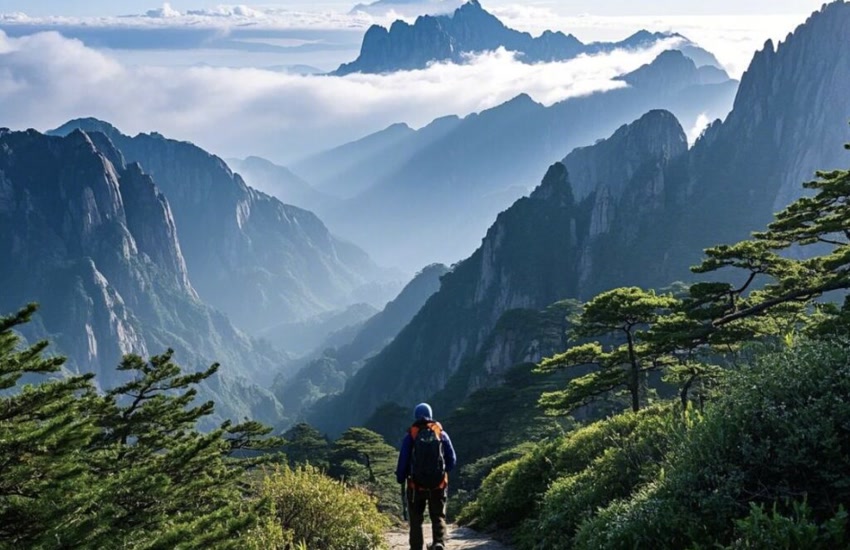
- Featured trails
- Tiger Leaping Gorge (Yunnan) · Hua Shan (Shaanxi) · Great Wall Gubeikou–Jinshanling (Beijing) · Huangshan (Anhui) · Kanas Lake (Xinjiang)
- Best season
- April-June, September-October (avoid summer rains, winter snow)
- Difficulty range
- Moderate (Great Wall section) to strenuous (Hua Shan vertical chains)
- Permit required
- Tibet-adjacent and Xinjiang trails need permits; coastal trails do not
- Recommended gear
- Trekking poles, layered clothing, water purification, offline maps (Baidu/Amap)
As of May 2026, last reviewed by an LTC editor.
China’s trekking landscape rivals any country’s — the Himalayas in Tibet, karst peaks in Guizhou, alpine forests in Yunnan, gorges along the Tiger Leaping Gorge route, and the lesser-known steppe trails of Xinjiang. For foreign visitors interested in trekking beyond the Great Wall day hike, these five trails represent the spectrum: difficulty, scenery, length, and cultural immersion. This guide covers what each trek delivers, the practical logistics, and the realistic expectations for foreign trekkers.
The 5 trails to know
1. Tiger Leaping Gorge (Yunnan)
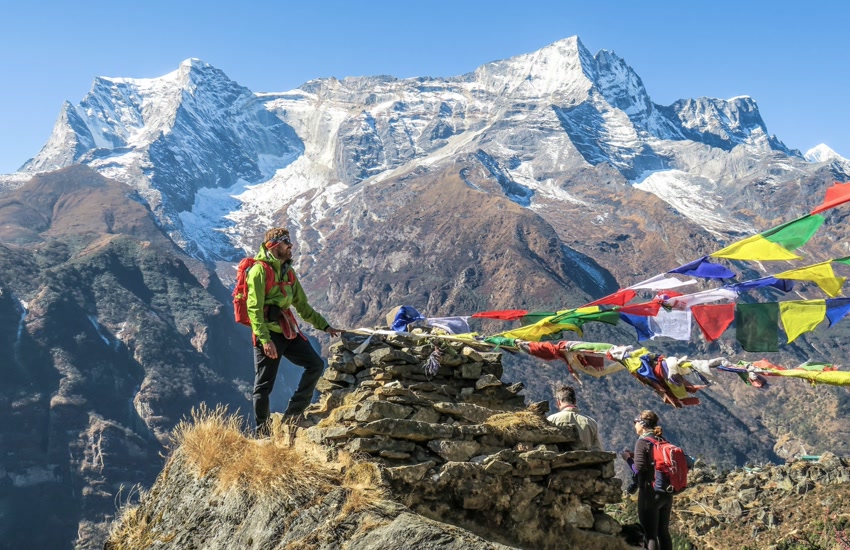
The iconic 2-3 day trek through one of the world’s deepest gorges (3,790 m from river to peak). The trail runs from Qiaotou to Walnut Garden along the north side of the gorge, 22 km total. Elevation 1,800-2,700 m. Difficulty: moderate — long ascents but no technical sections. Tea-house lodging along the route (Naxi Family Guesthouse, Halfway Lodge, Tina’s Guesthouse are landmarks). Best season: April-May and September-November. ¥65 entry fee. Foreign-friendly with English-speaking lodges.
Why it’s iconic: the views of Jade Dragon Snow Mountain (5,596 m) and Haba Snow Mountain (5,396 m) across the Yangtze gorge are among Asia’s most photographed mountain panoramas.
2. Mount Kailash kora (Tibet)
The sacred 52-km pilgrimage circuit around Mount Kailash (6,638 m) — the spiritual heart of Tibetan Buddhism, Hinduism, Jainism, and Bon religion. Most pilgrims complete the kora in 3 days; some serious Tibetans do it in 1 day. Maximum elevation: Dolma La pass at 5,630 m. Difficulty: very high (altitude is the main challenge, not technical climbing). Requires Tibet Travel Permit + Alien Travel Permit + organized tour with licensed operator. Total trip from Lhasa: 12-15 days. Best season: May-September.
Why it’s significant: Hindus believe Kailash is the home of Lord Shiva; Tibetans complete one kora to wash away the sins of a lifetime, 108 koras to achieve Nirvana. The cultural depth makes this a different category from “scenic trekking”.
3. Yading Nature Reserve (Sichuan)
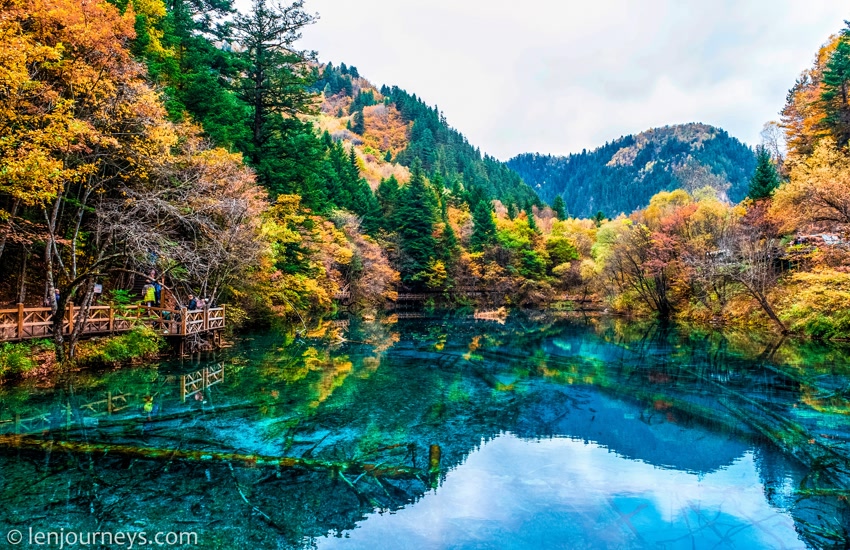
The “Last Shangri-La” — 3 sacred Tibetan Buddhist peaks (Chenresig, Jambeyang, Chanadorje) surrounded by alpine meadows, glacial lakes, and primeval forest. The classic trek is the 3-day great kora circuit covering Milk Lake, Five-Color Lake, and Pearl Lake. Maximum elevation: 4,700 m. Difficulty: high (altitude). Located 8 hours’ drive from Chengdu via Daocheng. Best season: May-October.
Why it’s underrated: comparable scenery to Patagonia but a fraction of the foot traffic. Foreign visitors get permits more easily than Tibet proper because Sichuan-Tibetan zones don’t require the formal Tibet Travel Permit.
4. Mount Siguniang (Sichuan)
The “Four Sisters Mountains” — a high-altitude range with four peaks (5,025, 5,276, 5,664, 6,250 m) and three valleys (Changping, Haizi, Shuangqiao) accessible for trekking. The Changping Valley trek is 3-4 days, walking through old-growth forest, alpine meadows, and turquoise lakes. Maximum trekking elevation: 4,500 m. Difficulty: moderate-high. Located 5 hours’ drive from Chengdu. Best season: May-October.
For experienced climbers: Mount Siguniang’s first peak (5,025 m) is one of China’s most-attempted introductory 5,000-m mountain ascents.
5. Karakoram Highway + Trekking (Xinjiang)
The world’s highest paved road crosses Xinjiang’s Pamir Plateau into Pakistan, passing through some of Asia’s most-dramatic mountain scenery. Trekking destinations along the route: Karakul Lake (3,600 m, base for Muztagh Ata 7,546 m ascent), Tashkurgan area (Tajik culture), and Subash Valley. Multi-day treks possible with local Tajik or Kyrgyz guides. Maximum trekking elevation: varies. Difficulty: high (altitude + remoteness). Best season: June-September.
Logistics complex — requires careful planning, sometimes military-zone permits, organized expeditions. Foreign visitors should arrange via established Xinjiang trekking operators.
Honorable mentions
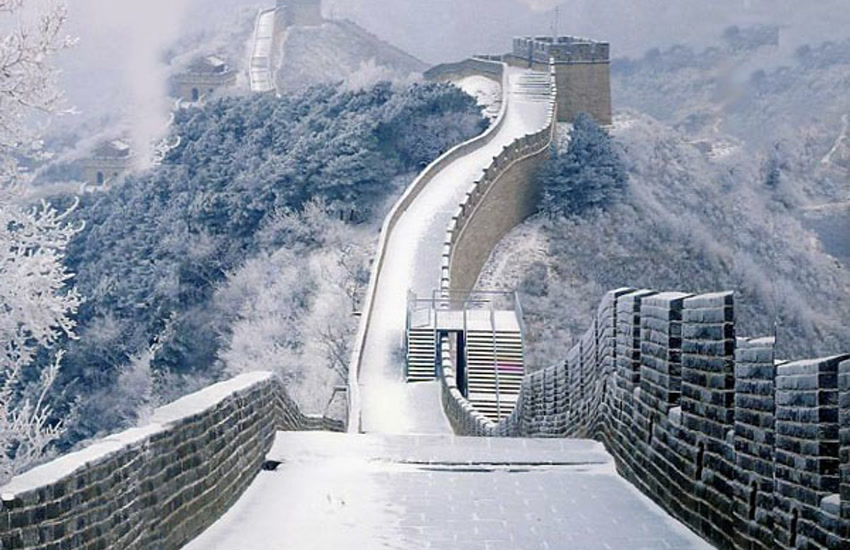
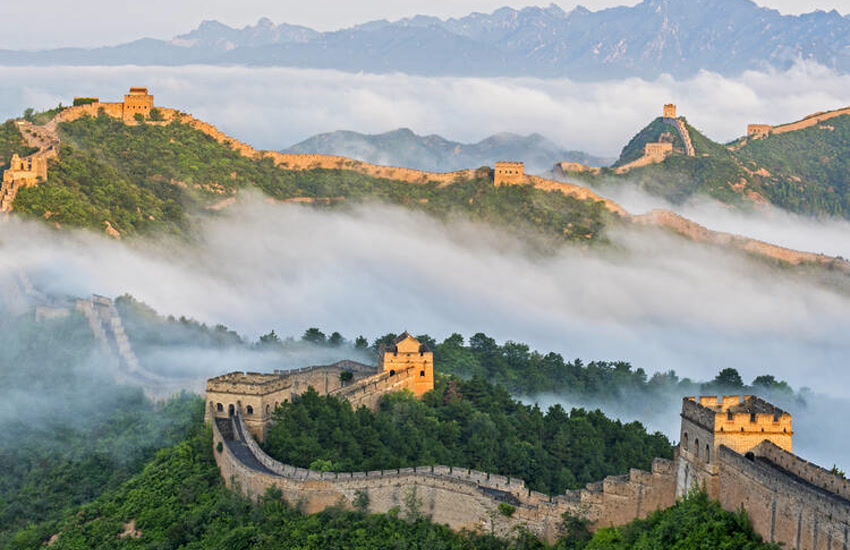
- Jinshanling-to-Simatai Great Wall hike — 10 km ridge walk on the most photogenic wild Wall section. 1-day from Beijing.
- Mount Tai (Shandong) — China’s sacred Daoist mountain. 6,660 steps; usually climbed overnight to see sunrise. 1-day workout.
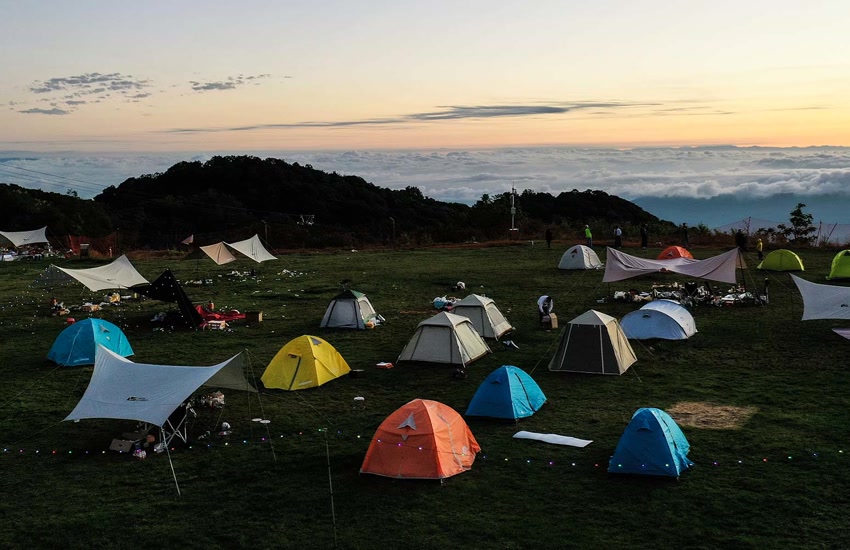
- Wugong Mountain (Jiangxi) — high-altitude grasslands at 1,900 m. 2-day hike with mountaintop camping.
- Mount Emei (Sichuan) — Buddhist sacred mountain with multi-day pilgrimage trails. 3,099 m summit. Cable-car options also available.
- Annapurna-style treks in Yunnan’s Meili Snow Mountain region — Yubeng Village to Sacred Waterfall route.
Difficulty + altitude framework
- Beginner-friendly: Tiger Leaping Gorge, Mount Tai (1 day), Jinshanling Great Wall — moderate elevation, established trails, foreign-friendly infrastructure.
- Intermediate: Yading 3-day kora, Mount Siguniang Changping Valley, Mount Emei pilgrimage — higher elevation, less infrastructure, but no technical climbing.
- Advanced: Mount Kailash kora, Karakoram Highway trekking, any Tibetan high-altitude trek — serious altitude, remote logistics, organized-operator-only.
- Expedition: Mount Siguniang first peak ascent, Muztagh Ata, lower-altitude Himalayas — climbing equipment, mountaineering experience required.
Best season summary
- April-May: spring; rhododendron blooms in Yunnan; clear weather; some snow on high routes.
- June-July: warm; Tibet + Xinjiang routes open; monsoon affects southern routes.
- August: peak season; warm even at high altitude; crowded at popular treks.
- September-October: ideal — clear skies, autumn colors, comfortable temperatures.
- November-March: winter; most high-altitude routes closed. Tiger Leaping Gorge still doable with cold weather gear.
Practical logistics for foreign trekkers
- Permits: Tibet routes require formal permits (TTP, ATP). Sichuan-Tibetan zones (Yading, Mount Siguniang) require only standard tourist visa + park entry fees. Xinjiang’s Karakoram zone sometimes requires additional permits.
- Guides: required for Tibet treks; strongly recommended for Karakoram + Yading. Local guides arrange transport, permits, accommodation. Cost: ¥300-800/day for guides.
- Equipment: layered clothing, broken-in boots, sleeping bag rated to -10°C for high routes, water purification, sun protection (high-altitude UV is intense), pulse oximeter for altitude monitoring.
- Acclimatization: for high-altitude routes (3,500 m+), spend 2-3 days at intermediate altitude before serious ascent. Consult doctor about Diamox.
- Insurance: standard travel insurance excludes ≥4,000 m. Specialized providers (World Nomads, Global Rescue) cover altitude trekking.
- Connectivity: limited cell signal in remote zones. Offline maps (Maps.me, OsmAnd) essential. Satellite communicator (Garmin inReach) recommended for serious expeditions.
- Payments: cash useful in trekking areas where mobile payment is limited. Bring small denominations.
Etiquette for foreign trekkers
- Sacred mountains: walk clockwise around stupas and mani stones. Photography of monks requires permission. Tibetan + Buddhist sacred mountains have specific behavioral expectations.
- Leave no trace: pack out all trash; trekking destinations have no waste infrastructure.
- Local communities: Naxi, Tibetan, Tajik, Kyrgyz communities along these routes. Respect their hospitality; minimal photography of people without permission.
- Permits + park rules: don’t enter restricted zones. Wildlife disturbance can carry penalties.
- Group size: smaller groups (2-6 people) have less environmental impact and more authentic guide engagement.