
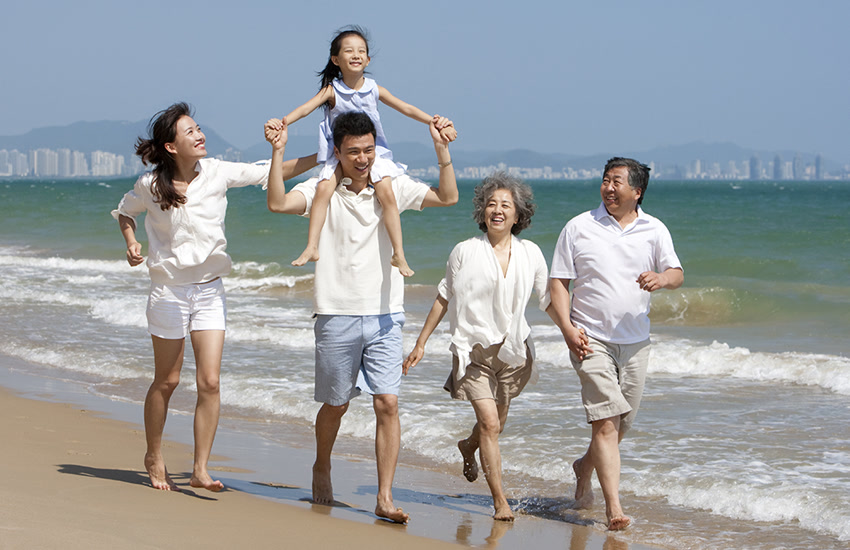
- Best regions for mixed-age groups
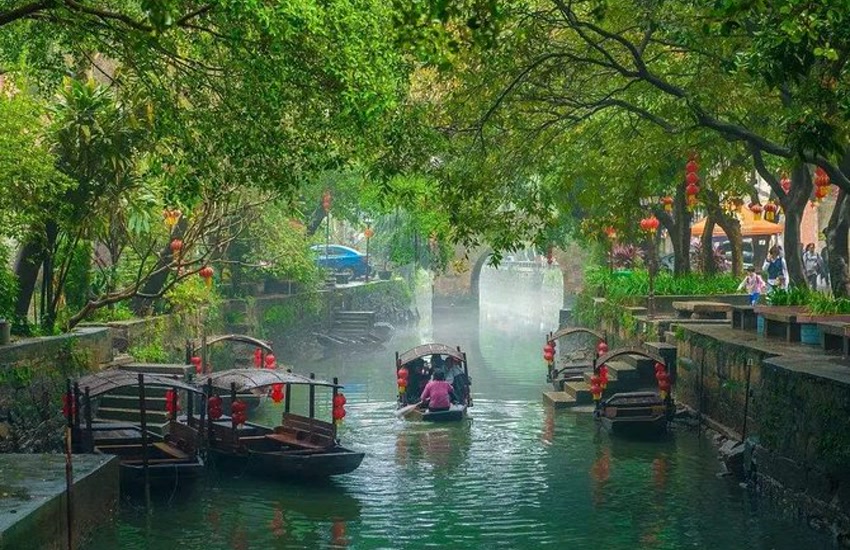
- Hainan (beach + culture), Yunnan (mild climate), Hangzhou + Suzhou (walkable historic)
- Accessibility considerations
- Avoid Tibet (altitude), heavy hiking trails; choose paved + cable-car sites
- Senior-friendly transit
- High-speed rail business class (recliner seats), private cars + drivers via Didi
- Family-friendly anchors
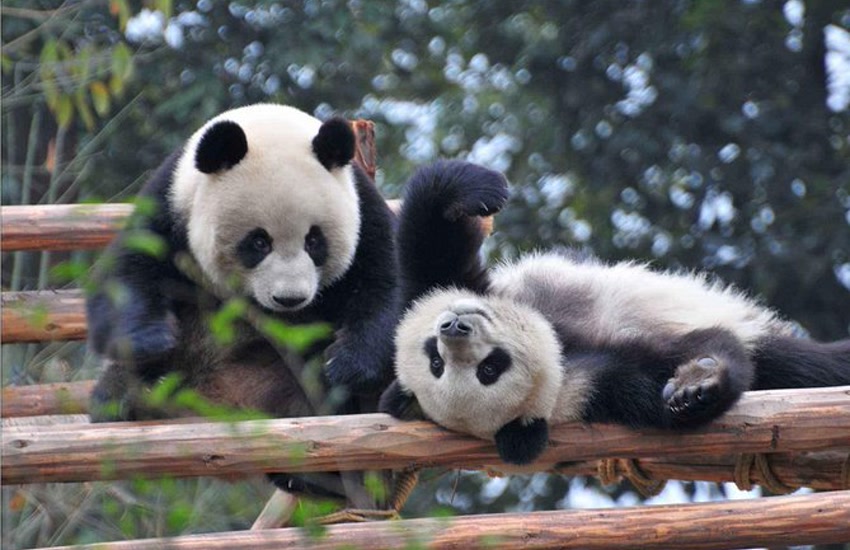
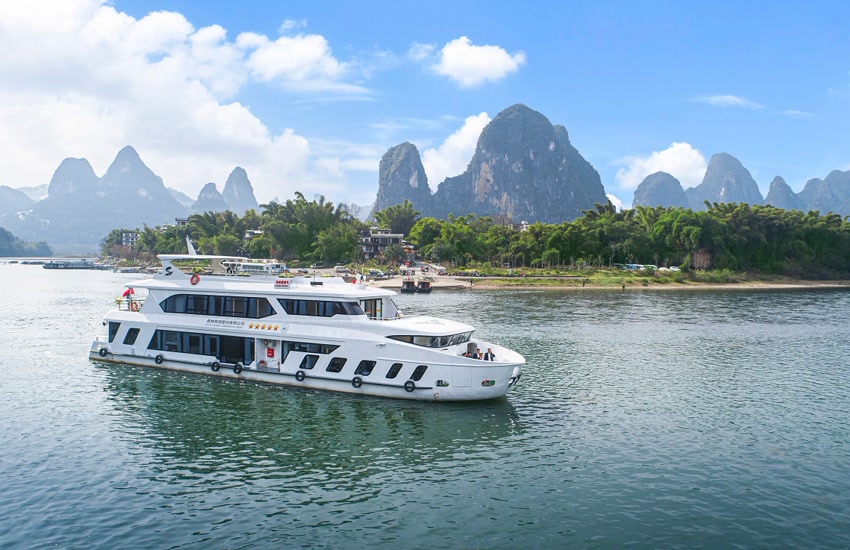
- Pandas (Chengdu), Disney/Universal theme parks, Yangtze cruise (slow pace)
- Booking tip
- Group tour operators (CITS, Wendy Wu) handle visa, transport, multi-room logistics
As of May 2026, last reviewed by an LTC editor.
A multi-generational China trip — grandparents, parents, kids all travelling together — is increasingly common as foreign families plan more ambitious trips and Chinese tourism infrastructure grows. The combination creates specific logistical and itinerary challenges that solo or couple travel doesn’t: mobility differences, jet-lag sensitivity, dietary range, accessibility, and pace. This guide covers what works for multi-generational foreign families travelling to China, with specific recommendations for routes, accommodation, and activities.
Why multi-generational travel works for China specifically
China is genuinely well-suited to family trips spanning three generations. Three reasons:
- Infrastructure scale: high-speed rail, family-friendly international hotel chains, and accessible scenic areas mean transport between cities is comfortable for older travellers. Sit-down meal traditions and shared-plate culture handle dietary range well.
- Cultural depth across generations: grandparents engage with imperial history, parents with cuisine and contemporary culture, kids with theme parks and pandas. Few destinations offer that breadth in one trip.
- Filial-piety culture: Chinese society visibly respects elder travellers — priority seating on transit, deference at restaurants, accommodating service at hotels. Older family members often report feeling more comfortable in China than in Western tourist destinations.
Choosing your route — three trip shapes
The Golden Triangle (10-14 days) — Beijing, Xi’an, Shanghai
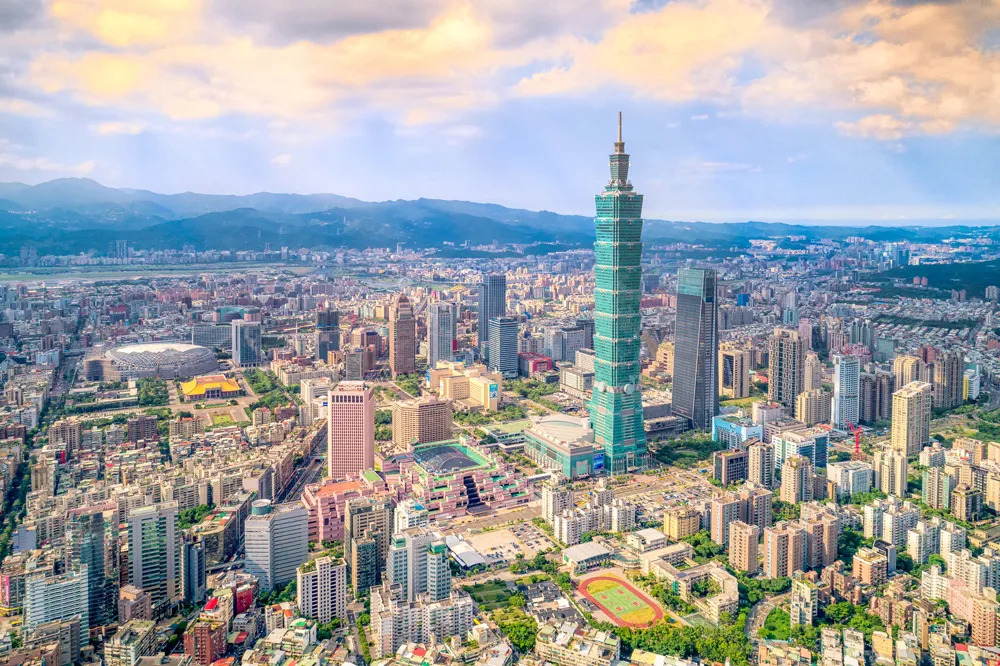
The most-recommended route for first-time multi-generational visitors. High-speed rail or domestic flights between the three cities. Mix of imperial history (Forbidden City, Terracotta Army), modern marvels (Shanghai skyline), and family-friendly highlights (pandas can be added via a Chengdu side-trip).
Pacing: 4 days Beijing, 2-3 days Xi’an, 3-4 days Shanghai. Build in 1-2 rest days for older travellers.
Hainan + Beijing (10-12 days) — mix beach + culture
For families wanting beach time alongside culture: 4-5 days in Sanya, Hainan (beaches, light cultural activities, resort comfort for grandparents) + 5-6 days Beijing (imperial sites, Great Wall accessible sections). Best in October-April when northern China is cooler and Hainan is dry season.
Yunnan + Shanghai (12-14 days) — slower pace, ethnic diversity
For families willing to travel beyond the standard route: Yunnan offers ethnic-minority culture, gentle hiking, mild climate, and dramatic landscapes (Lijiang Old Town, Stone Forest, Shangri-La if altitude is tolerable). Pair with Shanghai for international-style amenities.
Accommodation — what works across age ranges
For multi-generational groups, hotel choice matters more than for solo travellers. Specific considerations:
- International chains with family rooms — Marriott, Hyatt, Shangri-La, Hilton, InterContinental all offer connecting rooms or family suites in China. Reservation tip: book directly with the property to confirm the family-room configuration.
- Apartment-style hotels — Ascott, Frasers, and similar branded residences are common in tier-1 cities. Kitchen, multiple bedrooms, and laundry are major comfort gains for 3-generation trips.
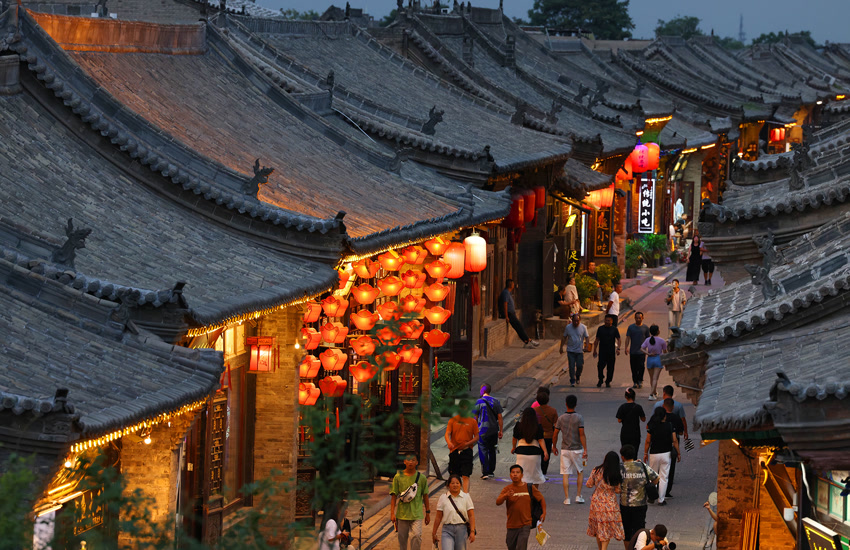
- Avoid traditional Chinese inns with stairs and no lift for groups with mobility issues. The atmosphere is unmatched but logistics fail for grandparents.
- Beach resorts in Sanya — Yalong Bay has Marriott, Ritz-Carlton, St. Regis, Sheraton, all with pools and family programmes. Hainan is the most family-resort-mature destination in mainland China.
Transportation — practical comparison
- High-speed rail — by far the best option for multi-generational groups. Comfortable seats, accessible boarding, no security stress. Beijing-Shanghai 4.5 hours; Xi’an-Beijing 4.5; Chengdu-Xi’an 3.5. Tickets via Trip.com.
- Domestic flights — useful only for long jumps (Beijing-Sanya, Beijing-Lhasa). Airports are stressful with older travellers; allow extra time.
- Private cars + driver — Didi Chauffeur or hotel-arranged drivers for ¥400-¥800/day. Best for in-city movement with grandparents or strollers. International rental is generally not advised — Chinese road conditions are challenging.
- Public transit in cities — Beijing, Shanghai, Guangzhou metros are extensive but require stairs and crowds. Manageable for active grandparents, exhausting for those with mobility limitations.
Activities by generation
Grandparents — deeper-culture focus
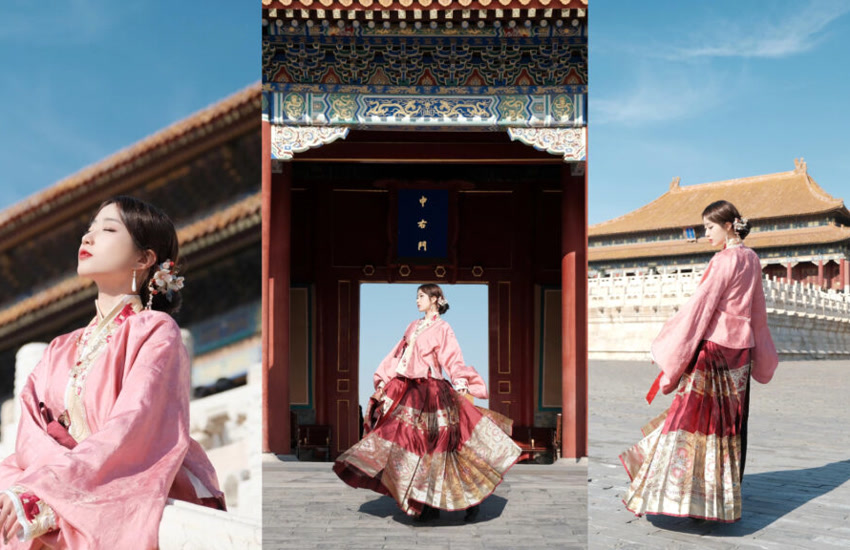
- Forbidden City (with accessibility-aware walking pace; courtyards have ramps, palaces don’t)
- Temple of Heaven (Beijing) — flat layout, gardens, tea-pavilion options
- Yu Garden (Shanghai) — classical garden, walkable in 90 minutes
- Terracotta Army (Xi’an) — main pit is wheelchair-accessible
- Tea-house experiences (Chengdu, Hangzhou)
- Calligraphy demonstrations and museum tours
Parents — broader cultural + culinary focus
- Hutong walks in Beijing
- French Concession in Shanghai
- Cooking classes (especially in Chengdu, Yangshuo)
- Local food tours with English-speaking guides
- Modern art districts — 798 in Beijing, M50 in Shanghai
Kids — energy-burning + theme-park options
- Shanghai Disneyland or Universal Beijing
- Chengdu Panda Research Base
- Beijing Aquarium and Beijing Zoo
- Great Wall at Mutianyu (cable car + toboggan = easier than Badaling and more memorable)
- Acrobatic shows in Beijing or Shanghai
- Yangtze River cruise (slow pace works for grandparents AND kids)
Practical logistics for foreign multi-generational groups
- Visas: standard L-visa for all travellers OR 240-hour visa-free transit (eligible nationalities). Note: 240-hour requires entering and exiting through approved ports, which limits routing flexibility for multi-city itineraries.
- Insurance: comprehensive travel insurance with medical evacuation is essential for older travellers. International hospitals (United Family, Parkway, Raffles) accept direct billing in tier-1 cities.
- Medications: bring originals + doctor’s note. Common Western prescriptions are sometimes unavailable. Pharmacies in international-hospital districts stock more familiar brands.
- Payment: WeChat Pay and Alipay with foreign cards (post-2023) handle most situations. Cash backup ¥1,000-¥2,000 for smaller venues.
- Language: tour groups handle this implicitly. For independent travel, install Pleco (offline OCR), Baidu Maps (better Chinese-context), and Google Translate (offline pack).
- Pace: build 1 rest day per 4-5 active days. Grandparents and children both benefit from a slower rhythm than typical travel-blog itineraries suggest.
Group-tour vs independent — which fits
For multi-generational foreign groups visiting China for the first time, group tours operated by CITS, Wendy Wu, Imperial Tours, or similar international operators handle visa logistics, English-speaking guides, hotel accessibility, and family-room arrangements in one package. The trade-off is fixed itinerary and reduced flexibility.
Independent travel works well for families with prior China experience or with a Mandarin-speaking member. The infrastructure supports it; the logistics planning is significant. Hybrid approach — independent for some segments, day-tour for specific complex attractions like the Great Wall — works well in practice.