
- Featured markets
- Panjiayuan · Silk Street (秀水街) · Hongqiao Pearl · Maliandao Tea · Liulichang antique · Sanyuanli food
- Best for antiques
- Panjiayuan (Saturday-Sunday early morning); Liulichang for calligraphy + scrolls
- Best for souvenirs/silk
- Silk Street (Xiushui) — bargaining expected, start at 30% of asking price
- Operating hours
- Most markets 09:00-18:00; Panjiayuan weekend market 04:30-15:00
- Payment
- Cash and WeChat/Alipay; foreign cards rarely accepted at stalls
As of May 2026, last reviewed by an LTC editor.
Beijing’s market scene is one of the city’s most underrated attractions for foreign visitors. Beyond the Great Wall, Forbidden City, and hutong tours, Beijing’s traditional markets — for antiques, silk, pearls, electronics, and street food — offer a tactile slice of local commerce that no museum reproduces. This guide covers the six markets that consistently rank as foreigner favourites, the bargaining mechanics, what to buy, and what to avoid.
Beijing’s market landscape — a quick map
Beijing has four broad market categories:
- Antique and curio markets — Panjiayuan, Liulichang. Best for ceramics, calligraphy scrolls, Mao-era memorabilia, jade, vintage furniture.
- Tourist-oriented bargaining markets — Silk Street, Pearl Market. Knock-off branded goods, silk products, tailored clothes, pearls, electronics.
- Local-leaning fresh markets — Sanyuanli, Maliandao Tea Street. Where actual Beijing residents shop. Lower prices, less English.
- Specialty markets — Maliandao (tea), Hongqiao Pearl Market (pearls + jewelry), Liulichang (calligraphy + brush + ink).
The 6 markets worth visiting
1. Panjiayuan Antique Market (潘家园)
The largest antique and curio market in Asia. Opens weekends primarily (Sat-Sun, 4:30am for serious collectors; 8am for tourists). 3,000+ stalls covering Tang-dynasty pottery, Cultural Revolution memorabilia, calligraphy, jade, paintings, jewelry, vintage tea sets, and Mao-era propaganda posters. Authenticity varies wildly — most “antiques” are reproductions, but collectible reproductions can be excellent buys at fair prices. Cash + Alipay/WeChat accepted; credit cards rare.
Best foreign-visitor strategy: browse with no purchase intent for 1-2 hours first, identify items of interest, then negotiate hard. Open price → 30% rule for tourist-aimed sellers.
2. Silk Street (Xiushui Jie, 秀水街)
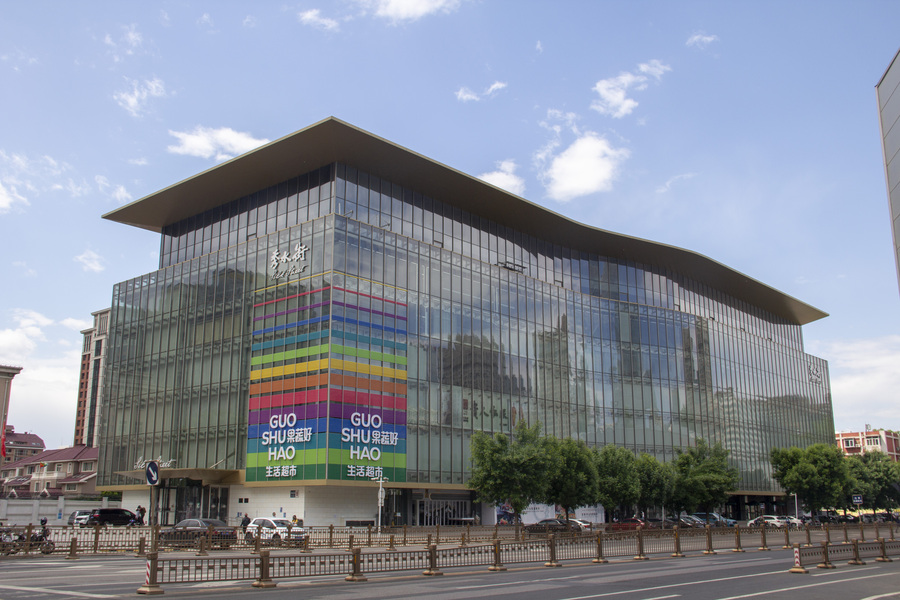
The most-touristed market in Beijing — 5-story indoor mall in CBD area near US Embassy. Sells silk products, tailored suits (4-7 day turnaround), counterfeit luxury branded goods, fake watches, electronics, pearls, and traditional Chinese clothing (cheongsam, hanfu). English-speaking sellers; very aggressive sales tactics. Tailoring quality varies — some stalls excellent, some mediocre.
Bargaining is mandatory. Open prices typically 5-10x final price. Strategy: walk away at least twice. Best for: silk scarves and pyjamas, custom shirts, knock-off goods (consider legal/customs implications when re-entering home country).
3. Pearl Market (Hongqiao, 红桥)
4-story building in Chongwen district, opposite the Temple of Heaven. Lower-2 floors: electronics, watches, knock-off goods. Upper-2 floors: pearls and jewelry — freshwater and saltwater pearls in every size and shape, plus jade, gold, silver. The pearl floors are the destination. Reputable sellers will demonstrate pearl quality (rub two pearls together — real pearls feel slightly gritty). Open prices ~3-5x final.
4. Liulichang Street (琉璃厂)
The traditional calligraphy and antique street, southwest of Tiananmen. Ming-Qing architecture; sells calligraphy brushes, ink stones, rice paper, scrolls, seals, tea sets, and traditional musical instruments. Less bargaining (more set-price), higher quality, more authentic than Silk Street. Best for souvenirs that aren’t tacky — a hand-carved seal with your name in Chinese characters costs ¥80-200 and ships well.
5. Maliandao Tea Street (马连道)
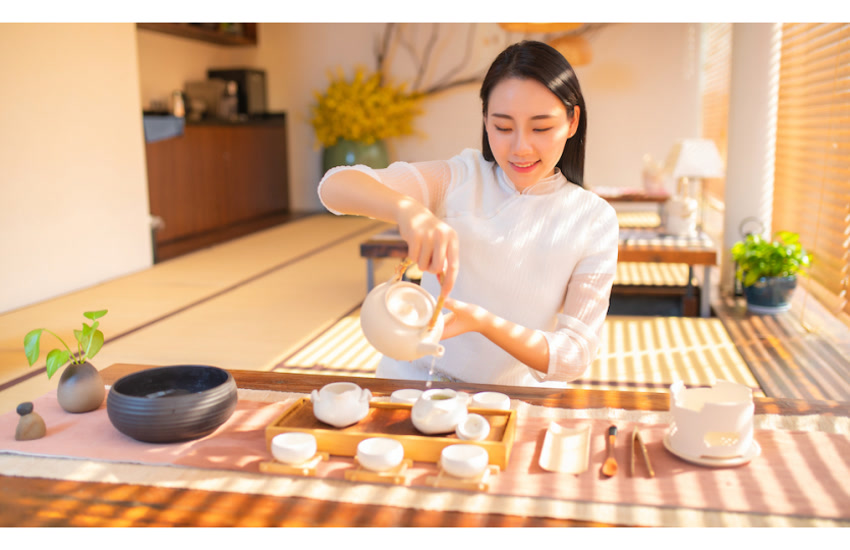
The largest tea wholesale market in northern China. Hundreds of tea shops selling pu-erh, oolong, green tea, white tea, jasmine, and ceremonial-grade matcha. Sellers expect customers to taste before buying — sitting down for a 20-minute tea-tasting session is normal. Pricing: ¥50-2,000 per 100g depending on grade. Best for: tea gifts, traditional tea sets, yixing clay teapots. Mostly Chinese-speaking sellers; have Pleco ready.
6. Sanlitun Yashow / SOHO areas
Modern alternatives to the older markets. Yashow Market was demolished in 2014 but the surrounding area still has clothing markets and tailors. Mostly visited by long-term expats and short-term tourists looking for everyday clothing rather than souvenirs. Pricing more transparent than older bargaining markets.
Bargaining mechanics — the foreigner playbook
Bargaining is expected at tourist markets (Silk Street, Pearl Market, Panjiayuan). It is NOT expected at fixed-price markets (Liulichang, modern malls, supermarkets). The basic rules:
- Open with 20-30% of asking: if seller says ¥1,000, counter ¥200-300.
- Be willing to walk away: 70% of the time sellers will chase you with a lower price.
- Pretend lack of interest: showing strong interest weakens your negotiating position.
- Bundle purchases: “If I take three, what’s the price?” reliably drops per-unit cost 30-40%.
- Use a calculator app: number-only negotiation avoids language friction. Sellers expect this.
- Cash advantage: small-denomination cash sometimes gets better prices than mobile-pay sellers at antique markets.
- Final price = 30-50% of opening at touristy markets: a useful mental benchmark.
What to buy + what to avoid
- Good buys: silk scarves and bedding, tea + teapots, calligraphy supplies, hand-carved seals (chops), Chinese tea sets, fresh-water pearls, jade ornaments (with quality verification), Chinese musical instruments.
- Avoid: counterfeit luxury branded goods (legal risks at customs), “antiques” sold as genuine when they’re reproductions, electronics (counterfeit risk + no warranty), “natural” jade without certification.
- Specialty consideration: ivory and certain animal-product items are banned for export from China; do not buy.
Logistics — payments, transport, timing
- Payment: Alipay International / WeChat Pay are universal; cash works at all markets; credit cards rare except at modern Silk Street stalls.
- Transport: Beijing subway covers all markets. Silk Street: Yong’anli station. Pearl Market: Tiantandongmen. Panjiayuan: Panjiayuan station. Maliandao: Wanzi station.
- Hours: Silk Street 09:30-21:00 daily. Panjiayuan Sat-Sun 4:30am-6pm; weekdays smaller selection. Pearl Market 09:30-19:00. Liulichang most shops 09:00-18:30.
- Best season: spring and autumn — comfortable temperatures for long market walks. Summer can be humid and air-quality-bad; winter cold but quiet.
- Time budget: 2-4 hours per major market; full Panjiayuan day if antique-hunting seriously.
Practical tips for foreigners
- Dress down: visible wealth attracts higher opening prices. Skip the designer logos.
- Bring a translator app: Pleco for Chinese terminology, Google Translate for live conversation.
- Customs and shipping: ask sellers about international shipping — most reliable sellers can arrange DHL/UPS at additional cost. Verify before paying.
- VAT refund: some markets (high-tier mall-style) participate in the foreign-visitor VAT refund scheme. Verify at point of sale.
- Receipts: ask for fapiao (official receipt) for any significant purchase — required for VAT refund and for any post-sale issue.
- Safety: pickpockets work busy market crowds; keep valuables zipped in front pockets.
Sources
- Source: Panjiayuan Antique Market — Wikipedia
- Source: Silk Street — Wikipedia
- Source: Beijing Markets — Travel China Guide