
- Name
- Qixi Festival 七夕节 — also Double Seventh / Magpie Festival
- Date
- 7th day of 7th lunar month (typically late July to mid-August)
- Origin
- Cowherd (Niulang) and Weaver Girl (Zhinü) legend — annual reunion across Milky Way
- Modern practice
- Couples exchange gifts; flower sales spike; many restaurants offer Qixi menus
- Where foreigners notice it
- Major cities decorated; metro ads, malls, dating-app campaigns
As of May 2026, last reviewed by an LTC editor.
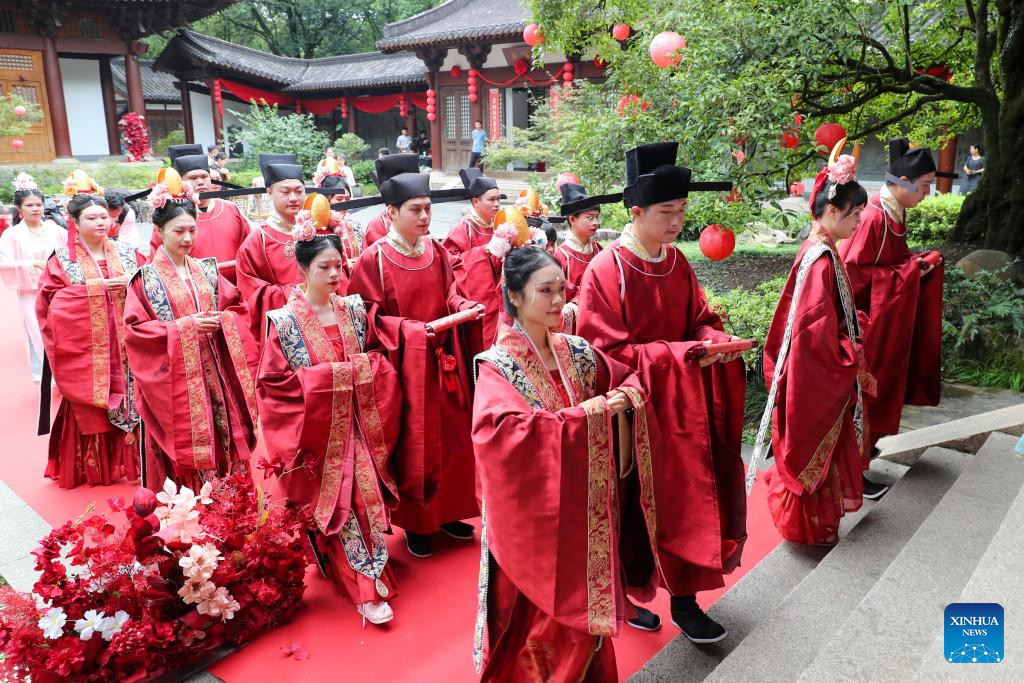
Qixi Festival (七夕, qīxī — “Seven Evening”) is the traditional Chinese romantic festival, often translated as “Chinese Valentine’s Day”. Celebrated on the 7th day of the 7th lunar month (typically August in the Gregorian calendar), Qixi has 2,000+ years of mythology behind it — the story of the Cowherd (Niulang) and the Weaver Girl (Zhinü), separated by the Milky Way and reunited annually by a bridge of magpies. For foreign visitors in China during Qixi, the festival offers a window into both ancient Chinese mythology and modern Chinese romantic culture. This guide covers the festival’s origins, contemporary observance, and what to experience.
The Cowherd and Weaver Girl myth
The story dates to the Han dynasty (~206 BCE-220 CE). Zhinü, the celestial Weaver Girl, descends to Earth and falls in love with Niulang, a poor cowherd. They marry and have two children. Heaven’s authorities discover the union and force Zhinü back to the sky, separating the lovers by the Milky Way (天河, “Heavenly River”). On the 7th day of the 7th lunar month, magpies form a bridge across the Milky Way so the lovers can reunite for one night.
In Chinese star-lore, the two principal stars are Vega (Zhinü) and Altair (Niulang), with Deneb’s nearby star sometimes representing the bridge. On Qixi night, look up: you can sometimes see Vega and Altair particularly bright, separated by the Milky Way.
Historical observance
Qixi began as a women-centered festival — young unmarried women would weave during the night, pray to Zhinü for skills in needlework and matchmaking, and write wishes for romantic destiny. The festival was sometimes called “Begging for Skills Festival” (乞巧节, qǐqiǎo jié). It was particularly important during the Tang and Song dynasties when women’s needlework was both an artistic skill and a social marker.
Traditional Qixi observance included:
- Needle-threading by moonlight — testing weaving skill
- Floating melon seeds + flowers — fortune-telling rituals
- Offering fruits + sweets to Zhinü — invoking blessings
- Star-gazing — looking for Vega and Altair
- Romantic gift-giving — among engaged or married couples
Modern Qixi — Chinese Valentine’s Day
Contemporary Qixi has become China’s primary romantic holiday — a parallel to but distinct from imported Western Valentine’s Day (February 14). Both holidays are observed in modern China, but Qixi carries deeper cultural roots. Modern Qixi customs include:
- Romantic gifts — flowers (red roses dominate), chocolates, jewelry. E-commerce platforms (Taobao, JD) run Qixi-themed sales.
- Restaurant dining — couples-focused tasting menus at upscale restaurants. Reservations book out weeks in advance.
- Movie releases — Chinese film studios time romantic-comedy releases for Qixi week.
- Hotel packages — luxury hotels offer “Qixi couple suites” with romantic themes.
- Lantern festivals — some cities revive traditional lantern-floating customs. Suzhou, Hangzhou, and Beijing’s Beihai Park have organized events.
- Online ordering of “lover food” — sweet dumplings, double-portion specialty meals delivered.
Where to experience Qixi as a foreign visitor
Beijing
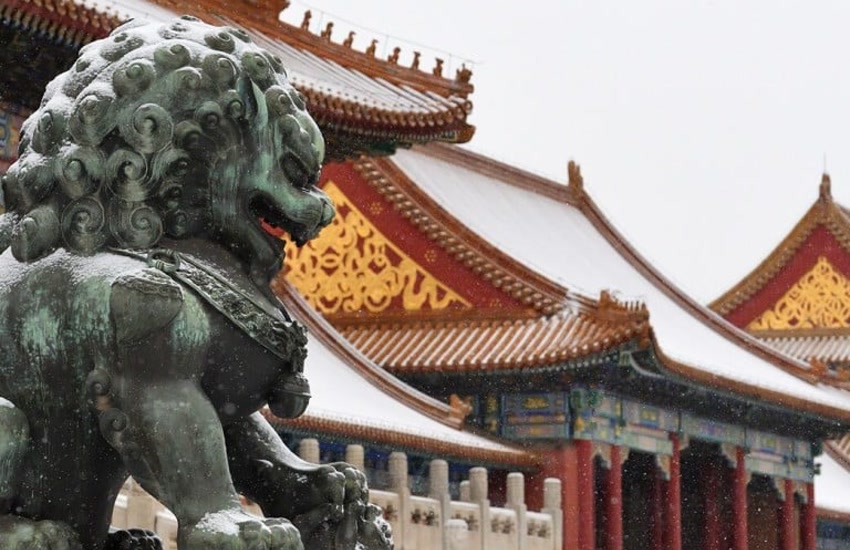
Beihai Park hosts Qixi-themed lantern displays in the evening. The Forbidden City extends evening hours on some Qixi years. Sanlitun and Wangfujing areas have romantic dining + couples-targeted events. Movie theaters screen romantic films.
Shanghai
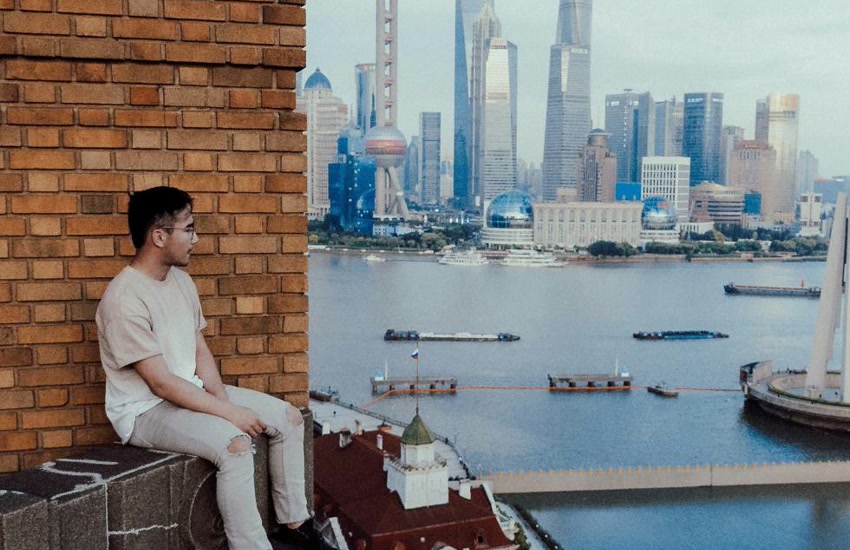
Bund + Pudong skyline takes on romantic significance — many proposals happen on the Bund at sunset. Yu Garden + Yuyuan area sometimes hosts traditional lantern displays. Restaurants along the Bund waterfront book out.
Xi’an
The Tang-dynasty Da Tang Furong Yuan park hosts Qixi-themed performances and lantern displays — leveraging Xi’an’s historical Tang-dynasty associations with the festival.
Suzhou + Hangzhou
The “Venice of the East” + West Lake — traditional water-town settings perfect for the festival’s old-China atmosphere. Lantern floating on canals, traditional gardens illuminated, calligraphy stalls.
Smaller cities and rural areas
Traditional Qixi customs survive most strongly in rural Henan, Shandong, and Sichuan. Smaller towns sometimes have authentic needle-threading + fortune-telling rituals in temples on Qixi night.
Qixi dates
Qixi follows the lunar calendar, so the Gregorian date varies each year. Recent and upcoming dates:
- 2025: August 29
- 2026: August 19
- 2027: August 8
- 2028: August 26
- 2029: August 16
Qixi vs other Chinese romantic holidays
China has multiple romantic-themed holidays competing for couples’ attention:
- Qixi (7th day of 7th lunar month) — the traditional Chinese romantic festival; deepest cultural roots
- Western Valentine’s Day (February 14) — widely observed in cities; commercial parity with Qixi
- 520 Day (May 20) — modern internet-driven romance day (520 sounds like “I love you” in Mandarin)
- Singles’ Day (November 11) — originally anti-Valentine for singles; now massive e-commerce sale day
- Lantern Festival (15th day of 1st lunar month) — also has romantic associations in ancient context
Modern Chinese couples often celebrate 2-3 of these per year. Qixi has the deepest emotional resonance with older Chinese culture.
Practical tips for foreign visitors
- Restaurant bookings: book Qixi dinners 2+ weeks in advance, especially at high-end venues.
- Hotel rates: 4-5-star hotels run premium pricing for Qixi week. Book 3-4 weeks ahead if you want a specific venue.
- Gift culture: red roses + chocolates work; expensive jewelry pairs are statement gifts; experiential gifts (concert tickets, spa packages) are increasingly popular.
- Local invite: if you have Chinese friends who invite you to a Qixi observance, modest gift-giving is appropriate.
- Photography: lantern festivals + traditional dress-up events are highly photogenic. Bring a camera with good low-light performance.
- Star-gazing: get out of light-polluted cities for clear views of Vega + Altair. Surrounding hills of Beijing, parks in smaller cities offer better visibility.
Cultural sensitivity notes
- Qixi is celebratory, not solemn: it’s a happy festival, not a religious observance. Lightness + romance are the tone.
- LGBTQ awareness: same-sex relationships are not officially recognized in China; LGBTQ-couple Qixi celebrations exist but are lower-profile.
- Single travelers: Qixi is not awkward to be alone for — many young Chinese spend Qixi with friends rather than partners. Singles bars and “friend-couples” gatherings are common.
- Family connections: unlike Spring Festival or Mid-Autumn, Qixi has no family-reunion expectation. It’s specifically a romantic-couples holiday.