
- Province snapshot
- GDP leader of China; Greater Bay Area = Guangzhou + Shenzhen + HK + Macau
- Top cities
- Guangzhou, Shenzhen, Foshan, Shantou, Zhuhai; gateway to HK + Macau
- Best season
- October-April — mild, dry; avoid May-September typhoon stretch
- Cantonese cuisine HQ
- Dim sum (Guangzhou), seafood (Shantou), Shunde (UNESCO Creative City of Gastronomy)
- Connection
- Guangzhou-Shenzhen-HK high-speed rail 48 min; Guangzhou-Foshan metro
As of May 2026, last reviewed by an LTC editor.
Guangdong (广东) is mainland China’s most-populated province (~127 million) and its economic engine — home to Guangzhou, Shenzhen, the Pearl River Delta megacities, and the Cantonese-cuisine heartland. For foreign visitors arriving via Hong Kong or Macau, Guangdong is often the first taste of mainland China. The province offers a rare combination: world-class food, historical Silk Road maritime trade heritage, post-1978 reform-era economic transformation, and easy logistics (high-speed rail to most cities, English-friendly hotel scene). This guide covers itineraries by trip length, the headline destinations, and the practical foreign-visitor logistics.
The Guangdong geography
Guangdong sits on China’s southern coast, bordering Hong Kong to the south and Macau to the southwest. The Pearl River Delta is the megaregion anchoring the province — Guangzhou (capital), Shenzhen (tech hub), Foshan, Dongguan, Zhongshan, and Zhuhai are all 30-90 min apart by high-speed rail. Beyond the Delta: eastern Guangdong (Chaoshan region — Chaozhou, Shantou) has distinct Teochew culture and cuisine; northern Guangdong (Shaoguan) has karst landscape and forest reserves; western Guangdong (Yangjiang, Maoming) is the less-visited beach coast.
Itinerary 1: 3-day Guangzhou + Foshan focus
The minimum-viable Guangdong trip — good for visitors short on time who want Cantonese-cuisine immersion.
- Day 1 (Guangzhou): Morning dim sum at Tao Heung or Guangzhou Restaurant. Walk Shamian Island (colonial-era European architecture). Afternoon at Chen Clan Ancestral Hall (Cantonese folk art). Evening at Beijing Road pedestrian street + Canton Tower riverside viewing.
- Day 2 (Guangzhou + Foshan): Morning at Yuexiu Park + the Five Goats statue (Guangzhou’s symbol). Take metro to Foshan (1 hour) — Foshan Ancestral Temple + Zumiao + martial arts museum. Try Bingsheng-restaurant Cantonese dinner.
- Day 3 (Guangzhou): Morning at the Liwan district hutongs + Lin Heung Tea House dim sum. Afternoon at Pearl River cruise + Zhujiang New Town modern architecture. Late afternoon shopping at Taikoo Hui or Tianhe.
Itinerary 2: 7-day Pearl River Delta circuit
The classic Guangdong trip — covers the most economic and cultural ground.
- Days 1-3: Guangzhou (as above)
- Day 4: Foshan day trip (Foshan Ancestral Temple, Lingnan Tiandi, Shunde district seafood)
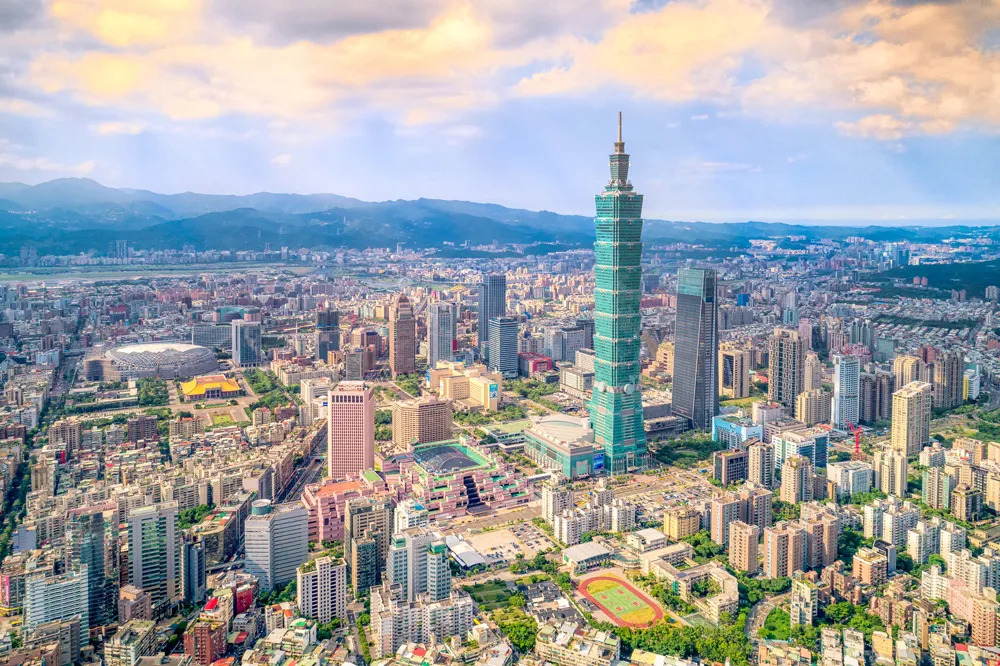
- Day 5: Train to Shenzhen (30 min HSR). Half day at Shenzhen Bay Park + Huaqiangbei electronics market + OCT Loft creative district
- Day 6: Shenzhen — full day with Window of the World theme park (or Splendid China) in the morning + Dafen Oil Painting Village in the afternoon
- Day 7: Cross to Hong Kong by direct HSR (15 min) or return to Guangzhou for departure
Itinerary 3: 10-day Guangdong + eastern Chaoshan
For visitors with appetite for the less-trodden side.
- Days 1-3: Guangzhou + Foshan
- Day 4: HSR east to Chaozhou (3 hr) — old town walking, Kaiyuan Temple, Guangji Bridge floating section
- Days 5-6: Shantou (Chaoshan beef hotpot, Teochew opera, Mazu temple)
- Day 7: Return HSR to Shenzhen
- Days 8-9: Shenzhen (Bay Park, Window of the World, OCT Loft, Huaqiangbei) + Zhuhai day trip (Lover’s Road, Hengqin Chimelong Ocean Kingdom)
- Day 10: Cross-boundary to Macau or return via Hong Kong
Itinerary 4: 14-day Guangdong deep-dive
Adds northern Guangdong and Zhaoqing for the karst-landscape side.
- Days 1-4: Guangzhou + Foshan
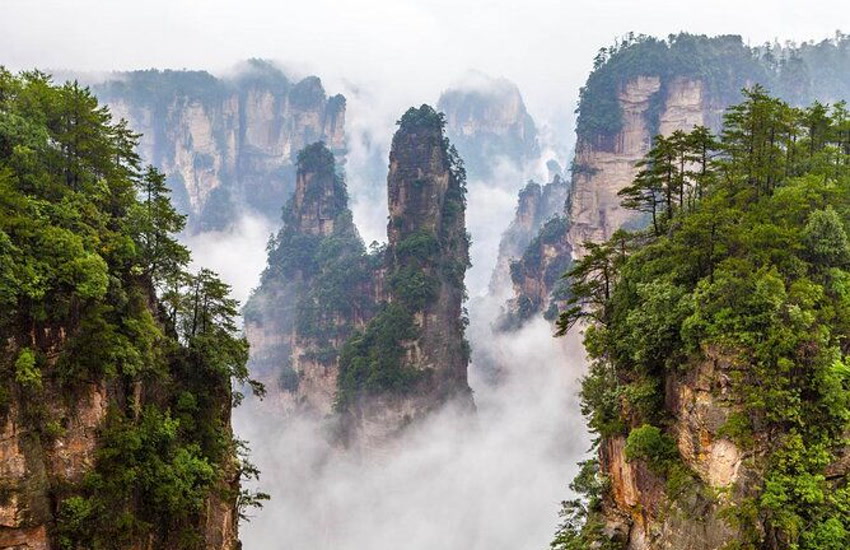
- Days 5-6: Zhaoqing (Star Lake + the seven star crags, karst limestone scenery)
- Days 7-8: Shaoguan + Danxia Mountain (UNESCO World Heritage karst peaks)
- Day 9: HSR east to Chaozhou
- Days 10-11: Shantou
- Days 12-13: Shenzhen + Zhuhai
- Day 14: Hong Kong or Macau exit
What makes Guangdong unique
Cantonese cuisine (Yue cai 粤菜)
Light, fresh, focused on the natural taste of ingredients. Signature dishes: dim sum (yum cha morning brunch), char siu (BBQ pork), roast goose, white-cut chicken, claypot rice, congee, fish balls, almond tofu. Visit at least one classic tea-house (Tao Heung, Lin Heung Tea House in Guangzhou or Hong Kong) for the cart-style dim sum experience.
The Lingnan culture
Guangdong’s regional culture predates Han Chinese arrival by centuries — Lingnan culture combines indigenous Bai-Yue origins with Han migration and 1,000+ years of maritime trade. Architectural signature: Lingnan-style garden design (Yuyin Sanfang in Foshan, Yu Garden in Foshan, Liwan Lake garden in Guangzhou). Operatic signature: Cantonese opera (yueju), with elaborate costumes and percussion-heavy music.
Reform-era economic transformation
Shenzhen was farmland in 1980; today it’s the world’s 4th-largest container port and a 17-million-person tech metropolis. The Pearl River Delta accounts for 9% of China’s GDP. Visiting Shenzhen specifically gives foreigners a tangible sense of 1980-2026 transformation that’s harder to feel elsewhere.
Cantonese language
Guangdong is mainland China’s largest Cantonese-speaking region (alongside Hong Kong + Macau). Mandarin is universally understood in business and tourist contexts but local conversations happen in Cantonese. Foreign visitors using Mandarin or English get full service; Cantonese effort earns warm reception.
Best season for Guangdong
- October-December: peak — warm 18-25°C, dry, comfortable.
- January-March: cool (10-18°C), occasional drizzle, fewer crowds.
- April-September: avoid the worst — humidity, May-July rainy season, typhoons July-September.
- Avoid: Spring Festival (mass migration disrupts everything), Golden Week early October (crowded).
Practical logistics for foreigners
- Entry: most foreign visitors enter via Guangzhou (CAN) airport, Hong Kong (HKG) + cross-border rail, or Shenzhen (SZX) airport. 144-hour visa-free transit applies to many countries.
- High-speed rail: HSR connects all major Guangdong cities. Guangzhou-Shenzhen 30 min; Guangzhou-Foshan 20 min; Guangzhou-Chaozhou 3 hr. Buy via Trip.com or 12306.cn (foreign-card supported).
- Metro: Guangzhou and Shenzhen both have extensive English-signed metro networks. ¥2-9 per trip.
- Payments: Alipay International + WeChat Pay universal. Cash works at small restaurants. Foreign credit cards work at international hotel chains and some malls.
- Accommodation: Guangzhou Tianhe (CBD, modern), Liwan (traditional), Pearl River New Town (luxury). Shenzhen Futian or Nanshan (business/tech). Hong Kong-style boutique hotels increasingly available.
- Language: more English than other Chinese provinces (driven by international trade history). Hotels + major restaurants comfortable in English.
- VPN: install before arrival; mainland Great Firewall applies (HK is different).
Practical tips
- Cross-border tip: Lo Wu / Futian border crossings between Shenzhen and Hong Kong are open 06:30-24:00. Direct HSR from Hong Kong West Kowloon to Guangzhou Nansha takes 15 min.
- Dim sum etiquette: arrive early (before 11:00) for the freshest selection; tap two fingers on table to thank for tea refill.
- Chaoshan beef hotpot: when in Shantou or Chaozhou, this is the regional must-try. Different from Sichuan’s spicy version.
- Avoid Shenzhen on weekends: massive day-tripper crowds from Hong Kong + nearby cities; visit Tuesday-Thursday for fewer crowds.
- Typhoon season: July-September typhoons can shut down airports and trains for 24-48 hours. Build flexibility in.